
Solar power is a smart upgrade for many Colorado homeowners. It can reduce long-term utility costs, add resilience to your home, and support a cleaner energy grid. But even the best solar array can’t perform safely or efficiently if your home’s electrical system isn’t prepared for it. Before panels go on the roof, it’s worth asking a practical question: Is your wiring, especially your main electrical panel, ready for a solar tie-in?
This guide walks through what “solar-ready wiring” actually means, what electricians and solar installers look for, and how to know whether you’ll need upgrades before installation day to prepare your home for solar panel installations.
What “Solar-Ready” Means For Your Electrical System
A residential solar system connects to your home’s electrical infrastructure so it can supply power to your circuits and feed excess energy back to the grid. That connection happens at (or near) your main service panel. If your panel or wiring can’t support that added generation and backfeed safely, solar installation may require electrical updates first.
“Solar-ready” typically means:
- Your panel has enough amperage and physical breaker space to accept a solar breaker or supply-side connection
- Your wiring and grounding meet current National Electrical Code (NEC) requirements for PV systems.
- Any necessary safety components, like accessible disconnects and rapid shutdown equipment, can be installed correctly.
If one or more of these conditions aren’t met, your project may still be totally doable—it just might need a little electrical prep first.
Step One: Check Your Electrical Panel Capacity
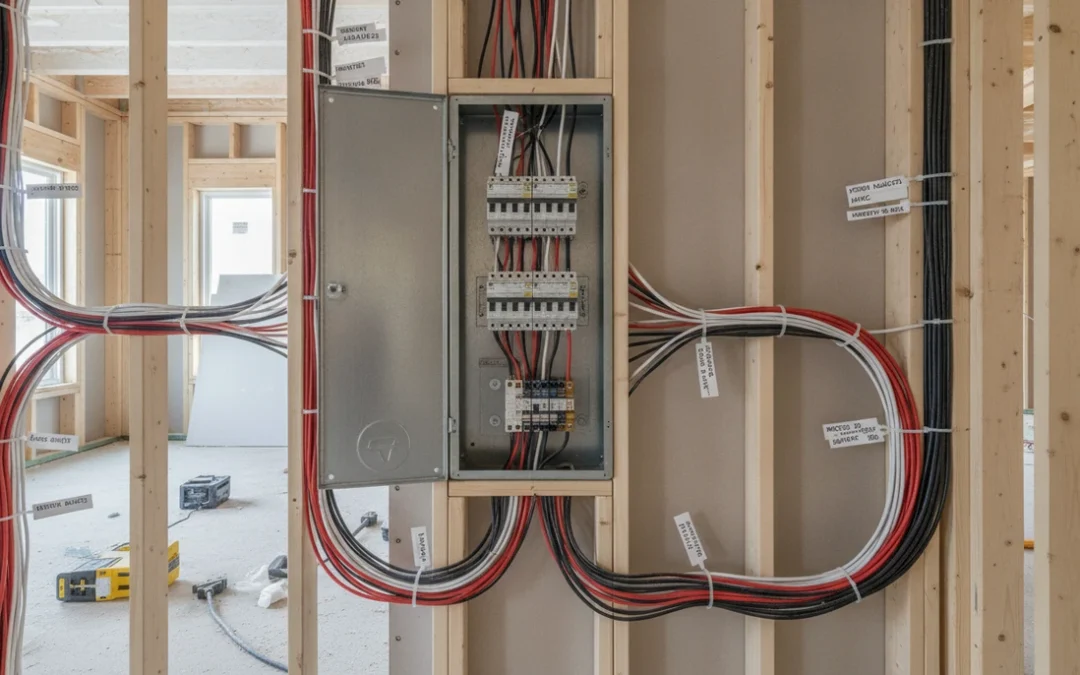
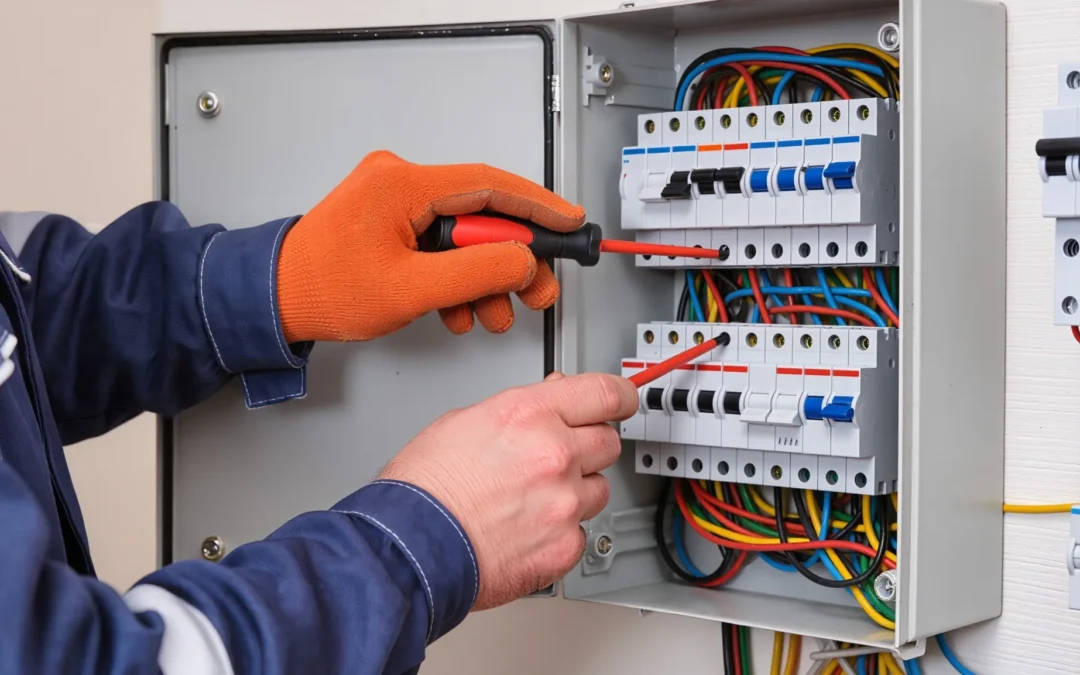
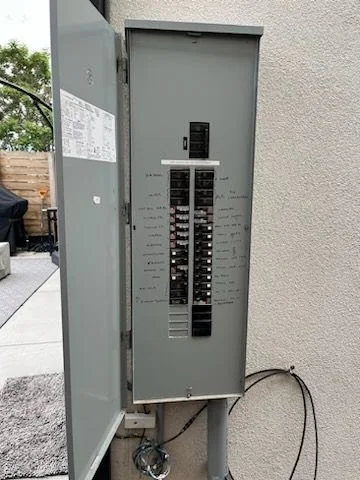
Your electrical panel is the “traffic controller” for power in your home. Solar adds a new source of electricity, so the panel must safely manage bi-directional power flow.
Common Panel Scenarios
200-amp panel in good condition:
Many Denver-area homes with 200A service have enough capacity for typical solar systems, especially if the panel has open breaker slots and is code-compliant.
100–125-amp panel:
Older homes often have 100A (sometimes 125A) service. These panels may be too small for solar backfeed, depending on system size and your household load. Many installers use 125A as a rough threshold where upgrades become more likely for larger systems.
Outdated or unsafe panels:
Some legacy panels (for example, certain recalled brands or old fuse boxes) are known to fail or not trip properly. Solar installers and inspectors frequently require replacement before they’ll approve a tie-in.
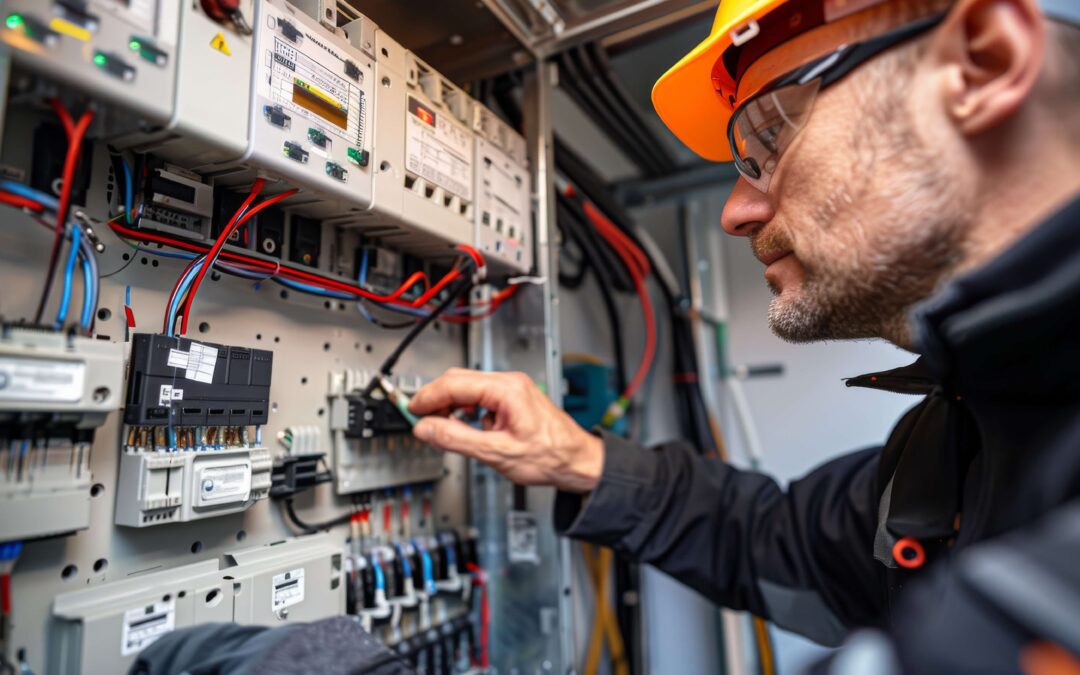
A licensed electrician can perform a load calculation to confirm whether your current service can safely support solar plus your existing appliances.
Step Two: Confirm Breaker Space And Interconnection Method
Even if your panel amperage is adequate, solar still needs a legal, code-approved point of connection. The NEC allows different interconnection methods, most commonly a backfed breaker or a supply-side tap, depending on panel layout and load calculations.
If your panel is full, one of these may be required:
- Panel reconfiguration (moving circuits to free space)
- Subpanel installation
- Main panel upgrade or replacement
Step Three: Evaluate Wiring Condition And Type
Solar doesn’t always require whole-home rewiring, but the state of your existing wiring matters a lot for safety and inspection.
Signs Wiring May Need Attention
- Frequent breaker trips or flickering lights under normal use
- Warm outlets or switch plates
- Visible wire damage in basements, attics, or crawl spaces
- DIY splices or open junctions that aren’t code-compliant
Older Wiring Types That Raise Red Flags
- Knob-and-tube wiring (common in homes built pre-1950)
- Aluminum branch wiring (often late 60s–70s)
- Brittle cloth-insulated wiring
These systems can be safe only under certain conditions, but many solar projects trigger inspection requirements that push upgrades to modern standards.
Step Four: Make Sure Grounding And Bonding Are Up To Code
Solar PV systems introduce new circuits on your roof and a new path to your electrical system. Proper grounding and bonding protect people, equipment, and firefighters in fault conditions. If grounding is weak or outdated, it’s usually corrected before the solar tie-in.
Step Five: Understand Code Requirements Specific To Solar
Solar adds a few electrical rules that don’t come up in standard residential work.
Rapid Shutdown
NEC 690.12 requires rapid shutdown for rooftop solar arrays to quickly reduce voltage during emergencies, improving firefighter safety. The 2023 NEC clarified and updated parts of these rules, including exceptions for certain detached structures.
Accessible Disconnects
PV systems must include a readily accessible disconnecting means so power can be isolated when needed. Good solar installers handle these items, but your home’s panel and wiring need to support them properly.
Step Six: Know The Permit And Inspection Process In Colorado
Colorado requires permits for residential photovoltaic electrical work. Depending on your jurisdiction, permits may be issued by the State Electrical Board or by your city/county building department.
In Denver specifically, PV permits reference the NEC and local residential code requirements, and inspections verify that both the solar equipment and your home electrical system meet standards.
Even if a homeowner is allowed to do some work themselves, solar interconnections are complex enough that most projects are safer and smoother when handled by licensed pros.
Do Most Homes Need Electrical Upgrades For Solar?
Not always, but it’s common enough to plan for. One large national installer reports that around 15% of customers require a main panel upgrade before solar can be installed.
You’re more likely to need upgrades if:
- Your home has a 100–125A panel
- Your panel is old, full, or a known problem brand
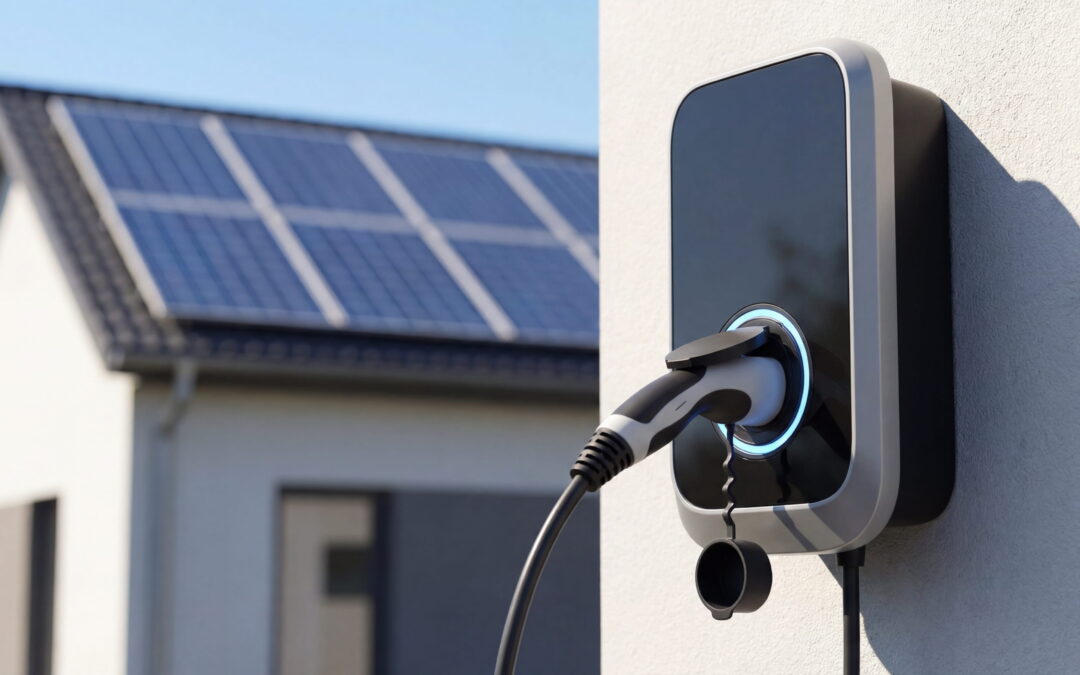
- You’re pairing solar with battery storage, EV charging, or major electrification upgrades
- Your wiring has unresolved code issues
The good news: electrical upgrades done for solar often improve home safety and set you up for future projects.
A Quick “Solar-Readiness” Checklist
Here’s a simple way to pre-screen your home before calling a solar company:
- Panel size: 200A preferred; 100A may need upgrades.
- Panel condition: no rust, scorch marks, loose breakers, or recalls.
- Breaker space: at least one suitable slot for a PV breaker or room for a subpanel.
- Wiring health: no signs of overheating or DIY splices.
- Grounding: modern grounding system in place.
If you’re unsure about any item, an electrician can confirm what’s needed in a single assessment.
Get Your Home Solar-Ready With Table Mountain Electric
Solar is a fantastic investment, but it starts with a safe, code-compliant electrical foundation. If you’re planning solar for a Denver-area home, Table Mountain Electric can help you confirm readiness and handle any upgrades, like panel replacements, capacity improvements, grounding fixes, or wiring updates, before the solar crew arrives.
Request a free quote to schedule a solar-readiness inspection. We’ll make sure your electrical system is prepared so your solar installation goes smoothly, passes inspection, and performs at its best for years to come.
Table Mountain Electric
Table Mountain Electric Inc. is Denver’s trusted name in premier electrical solutions. From essential services such as electrical panel upgrades and panel replacements to intricate kitchen wiring for your renovation needs, our expertise shines through in every project.