
Finishing a basement is one of the most exciting home improvement projects you can take on. Whether you’re creating a guest suite, home office, media room, or extra living space, a basement remodel can add comfort, functionality, and long-term value to your home.
But before you start picking flooring or paint colors, one critical part of the project needs careful planning: residential electrical services.
Basements present unique electrical challenges, from moisture concerns to code requirements and increased power demands. Getting the wiring right is essential for safety, comfort, and passing inspection. In this guide, we’ll walk through what homeowners should know about basement electrical wiring during a remodel and why working with a licensed electrician is one of the smartest decisions you can make.
Why Planning Your Home’s Electrical System Matters In A Basement Remodel
Unlike a simple cosmetic update, finishing a basement often involves adding:
- New lighting
- Additional outlets
- Dedicated circuits
- Entertainment systems
- Heating equipment
- Laundry appliances
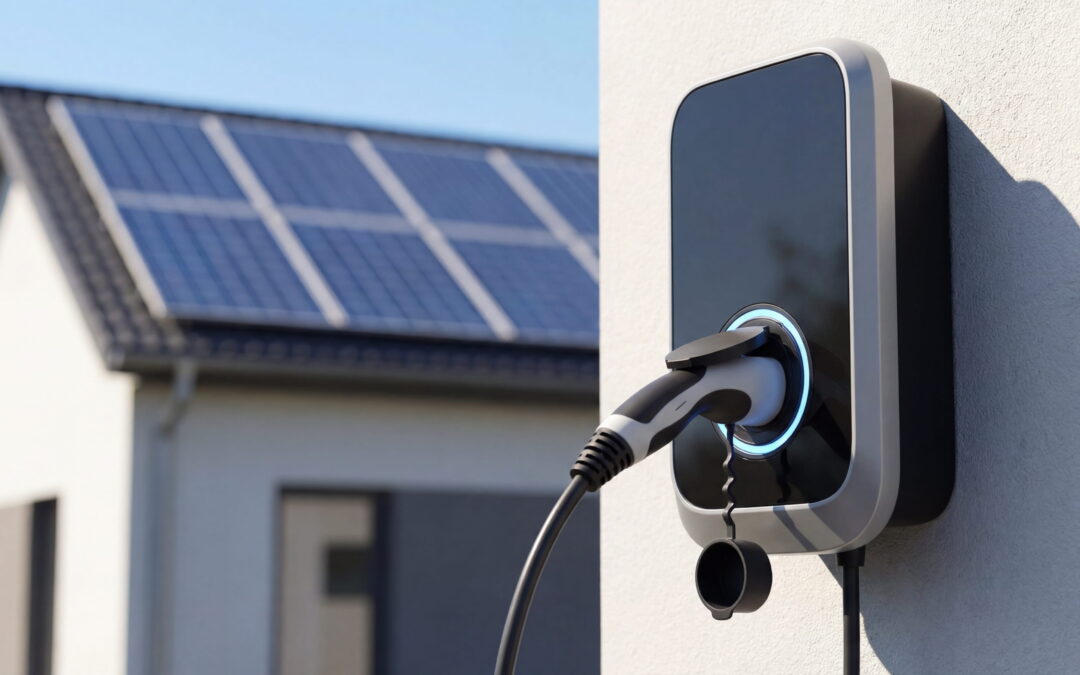
- EV charger-ready capacity
Basements are typically unfinished spaces with limited electrical infrastructure. Remodeling means transforming that area into a livable part of the home, and that requires an electrical system that can safely support the upgrade.
Electrical mistakes in basements can lead to:
- Shock hazards
- Overloaded circuits
- Moisture-related failures
- Code violations
- Fire risks
That’s why electrical work should be planned early, not treated as an afterthought.
Common Electrical Needs During A Basement Remodel
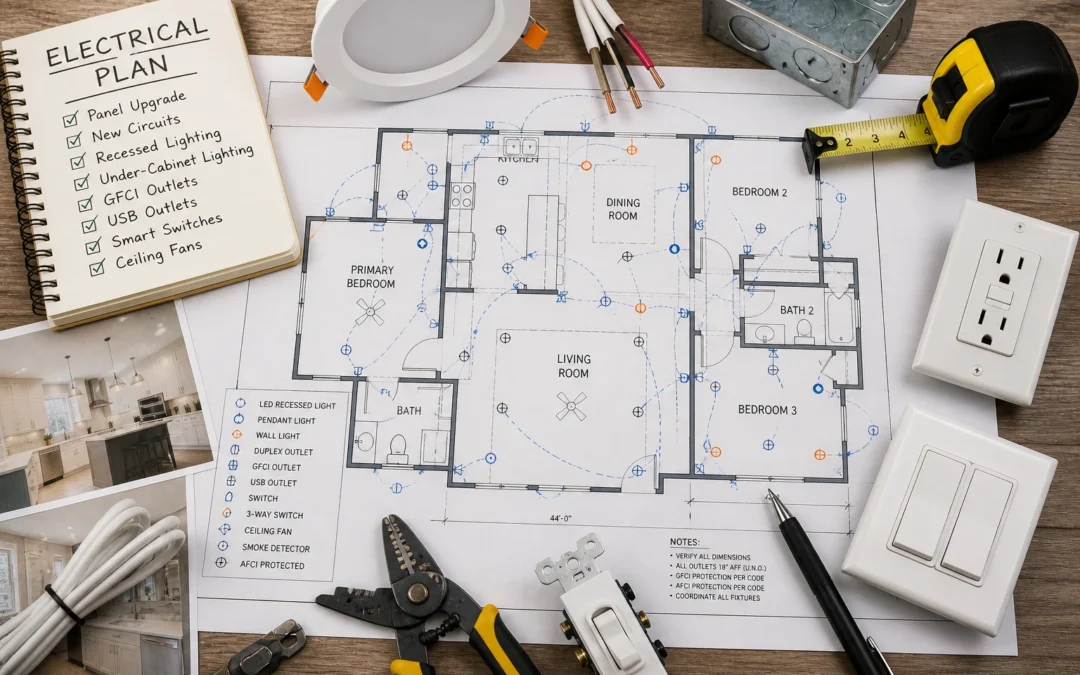
Every basement project is different, but most remodels require some combination of the following electrical upgrades.
Lighting Installation
Basements often start with a few bare bulbs or minimal overhead lighting. Finished spaces typically include:
- Recessed ceiling lights
- Accent lighting
- Stairway lighting
- Closet lighting
- Task lighting for offices or gyms
Lighting design matters in basements because natural light is limited. A professional electrician can help you create a bright, comfortable layout without overloading circuits.
Outlet Placement And Convenience
A finished basement needs far more outlets than an unfinished storage area.
Homeowners often add outlets for:
- TVs and entertainment centers
- Computers and home offices
- Gaming systems
- Mini fridges or wet bars
- Workout equipment
- Guest room chargers
Electrical code also requires outlets to be spaced properly along walls, so planning placement early is important.
Dedicated Circuits For Appliances
If your basement remodel includes appliances or large electrical loads, you may need dedicated circuits for:
- Microwave or kitchenette setups
- Laundry machines
- Sump pumps
- Space heaters or baseboard heating
- Home theater systems
Dedicated circuits prevent nuisance breaker trips and ensure safe power distribution.
Basement Electrical Code Requirements To Know
Basement wiring must meet the National Electrical Code (NEC) and local Colorado requirements. Some of the most important rules include:
GFCI Protection
Because basements are considered moisture-prone areas, many outlets must have GFCI protection, especially in:
- Unfinished portions of the basement
- Utility rooms
- Laundry areas
- Near sinks or wet bars
GFCI outlets help protect against electric shock by shutting off power when a fault is detected.
Proper Grounding
Basement circuits must be properly grounded to reduce shock risk and support safe operation of modern electronics.
Older homes may have outdated grounding systems that require upgrades during remodeling.
AFCI Requirements
Finished basement living areas may require AFCI protection, which helps prevent electrical fires caused by arcing inside walls.
Permit And Inspection
Most basement remodel electrical work requires a permit and inspection. Licensed electricians handle this process to ensure your remodel passes inspection and meets all safety standards.
Moisture And Basement Wiring Safety
Basements are different from other rooms in the home because they’re more susceptible to:
- Humidity
- Water intrusion
- Condensation
- Flooding risks
Electrical wiring must be installed with these conditions in mind. This may involve:
- Using proper conduit in certain areas
- Elevating outlets in flood-prone basements
- Ensuring sealed electrical boxes
- Avoiding exposed wiring
Moisture and electricity are never a good mix, which is why professional installation is so important.
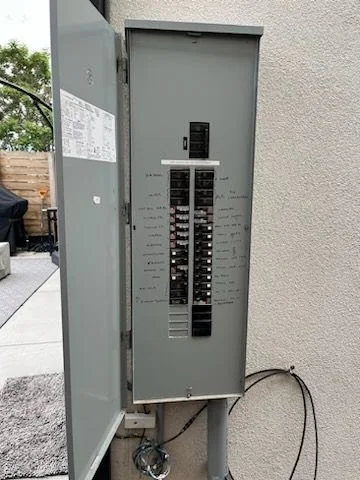
Should You Get an Electrical Panel Upgrade During A Basement Remodel?
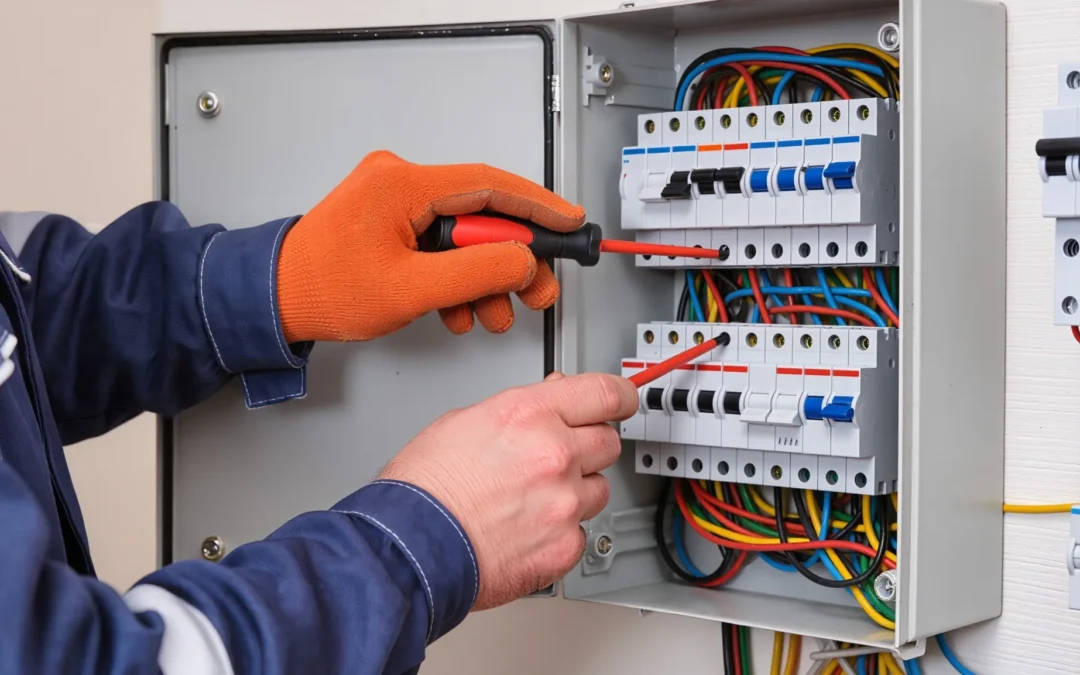
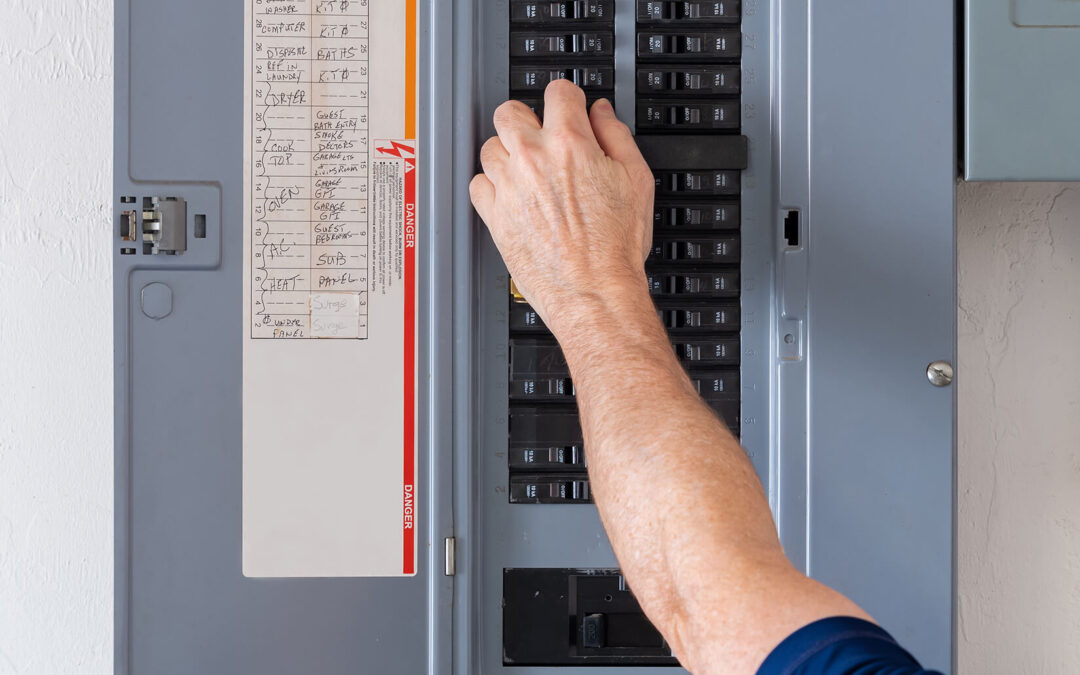
A basement remodel often increases your home’s electrical demand significantly. If your home has an older or smaller panel (such as 100 amps), adding new circuits may push it beyond capacity.
Signs you may need a panel upgrade include:
- Limited breaker space
- Frequent breaker trips
- Plans for future EV charger installation
- Adding major appliances downstairs
- Outdated or unsafe panel brands
Upgrading your electrical panel during a remodel can be more cost-effective than doing it later, especially if walls are already open.
Electrical Box Wiring For Special Basement Features
Many homeowners use basements for high-demand spaces. Here are a few common additions that require extra electrical planning.
Home Theater Or Media Room
Media rooms often need wiring for:
- Surround sound systems
- Projectors
- Dedicated lighting zones
- Multiple outlets behind TV walls
A clean setup may include recessed outlet boxes and hidden cable routing.
Basement Bathroom Or Wet Bar
Any area with plumbing requires careful electrical design, including:
- GFCI-protected outlets
- Proper spacing from water sources
- Exhaust fan wiring
- Dedicated circuits for mini appliances
Home Office Or Gym
Basement offices and gyms may require:
- Extra outlets for equipment
- Stable power for computers
- Bright task lighting
- Smart home or Wi-Fi enhancements
DIY Vs Hiring A Licensed Electrician for Basement Remodel in Denver
Some homeowners are tempted to handle wiring during a remodel themselves. While DIY may seem like a way to save money, basement wiring is not a beginner project.
Electrical work should always be handled by a licensed electrician because:
- Basement wiring must meet strict code requirements
- Mistakes can create hidden fire hazards inside finished walls
- Improper wiring can fail inspection and delay your remodel
- Professional electricians ensure correct circuit sizing and safety protection
The cost of fixing electrical mistakes is often far higher than doing it right the first time.
Planning Electrical Services Work Early Saves Time And Money
The best time to address wiring is before drywall goes up. During the early framing stage, electrical contractors can:
- Run wiring cleanly through studs
- Install boxes in ideal locations
- Plan circuits around your future furniture layout
- Ensure everything is inspection-ready
Waiting until late in the remodel often leads to costly rework or limited options.
Build A Basement That’s Safe, Comfortable, And Future-Ready
A basement remodel is a major investment, and the electrical system behind the walls is what makes the space truly functional. From lighting and outlets to dedicated circuits and panel upgrades, proper wiring ensures your finished basement is safe, comfortable, and ready for whatever you want to use it for.
If you’re planning a basement remodel in the Denver Metro Area, Table Mountain Electric is here to help. Our licensed electricians specialize in basement wiring, panel upgrades, lighting installation, and code-compliant electrical work that keeps your project moving smoothly.
Request a free quote today to schedule a basement electrical consultation. Let’s make sure your remodeled basement is powered safely, efficiently, and built to last.

Table Mountain Electric
Table Mountain Electric Inc. is Denver’s trusted name in premier electrical solutions. From essential services such as electrical panel upgrades and panel replacements to intricate kitchen wiring for your renovation needs, our expertise shines through in every project.