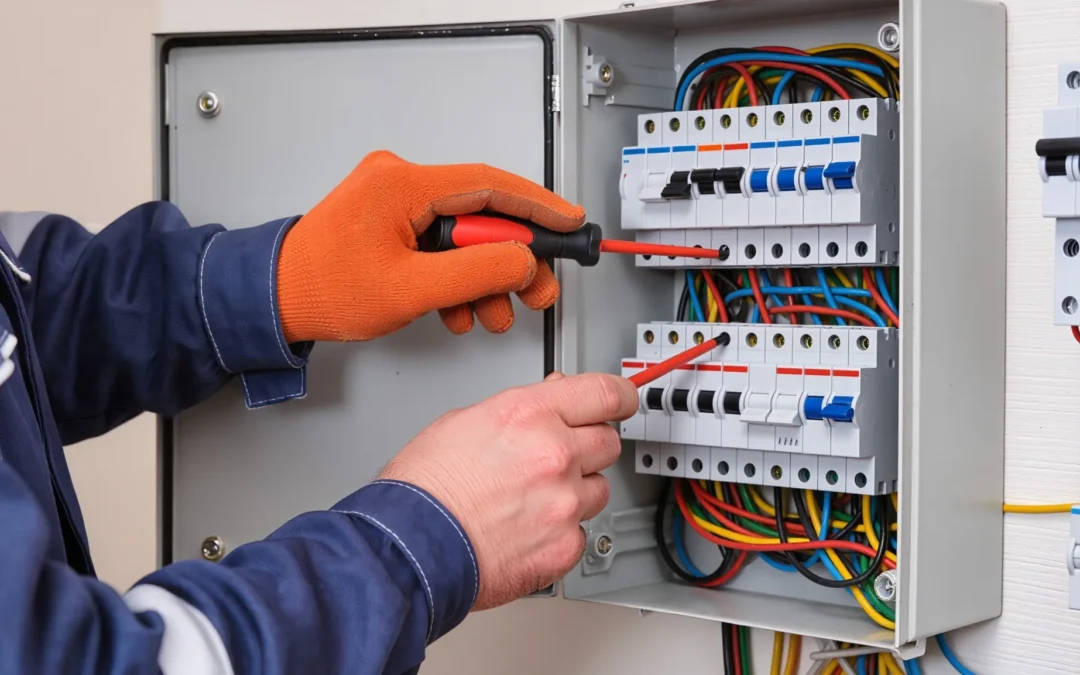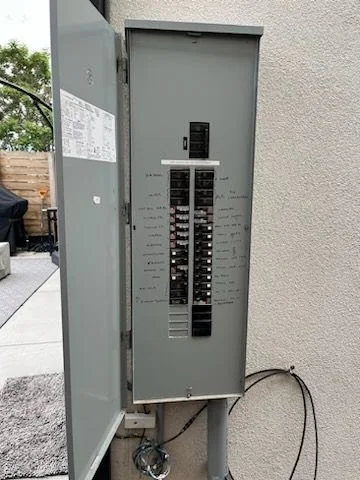

If you own a home in the Denver Metro Area, your electrical panel is quietly doing a big job every day. It distributes power to every circuit in your home, protects wiring from overloads, and serves as the control center for modern upgrades like EV chargers, heat pumps, induction ranges, and smart home systems.
As electrical demand rises and code standards continue to evolve, more homeowners are hearing the same message from contractors, inspectors, and utilities: older panels are becoming the bottleneck. With the 2026 edition of the National Electrical Code (NEC) now published and future adoptions on the horizon, many Denver homeowners are asking a smart question: Should I upgrade my panel now, or wait?
For many properties, especially older homes, electrical panel upgrades and replacement now can be the more cost-effective choice, because it helps you avoid code-driven changes, scheduling backlogs, and “do-it-twice” electrical work later.
What “The 2026 Code Update” Really Means In Colorado And Denver
The NEC is updated on a three-year cycle, but it doesn’t become enforceable until it’s adopted by a state or local jurisdiction. Colorado’s State Electrical Board adopted the 2023 NEC as the minimum statewide standard, effective August 1, 2023, and municipalities must adhere to at least that minimum (they can be more stringent, but not less).
Denver also updates related building codes on its own timeline. The City and County of Denver adopted the 2025 Denver Building and Fire Codes with an effective date of December 31, 2025.
The 2026 code update is an update of these 2023 rules and refers to the next NEC cycle and the likelihood of new requirements becoming the norm once adopted, especially as electrification projects become more common and inspectors apply updated standards.
What Could Change In The 2026 NEC That Affects Homes
The 2026 NEC includes a mix of structural reorganizations and practical safety updates. The most homeowner-relevant takeaway is that code updates tend to expand modern safety expectations to match how homes are actually used today.
A few headline examples frequently discussed in 2026 summaries include:
Expanded Safety Protection Expectations
The 2026 NEC continues to refine and expand protections in areas where modern equipment is common. For example, summaries note expanded GFCI protection scope for certain outdoor outlets, reflecting the growth of higher-capacity outdoor equipment and electrified home systems.
More Clarity For Inspectors And Installers
Industry writeups emphasize that 2026 includes changes intended to reduce inconsistent interpretation and improve clarity, often a big deal when you’re trying to pass inspection without costly rework.
The key point for homeowners: even if your panel “works,” future work tied to that panel may trigger stricter compliance expectations once newer standards are adopted or commonly enforced.
Why Upgrading Your Panel Now Can Be More Cost-Effective
You Avoid “Upgrade Stacking” Later
A common expensive scenario looks like this:
- You install a new high-load device (EV charger, heat pump, hot tub, finished basement).
- The electrician finds your panel is at capacity or not compatible with the new load.
- The project pauses while you schedule a panel upgrade, permits, and possibly utility coordination.
- When work resumes, you’re paying for extra mobilization, additional visits, and sometimes additional wall/finish repairs.
Upgrading your panel first can help you bundle work into one clear scope and avoid the “stop-and-start” costs that add up.
You Reduce The Risk Of Permit Delays And Contractor Backlogs
When a major code adoption or local enforcement shift approaches, demand tends to spike. Homeowners who wait may face longer lead times—especially in busy seasons. Even without a single “flip-the-switch” date for adoption, demand pressure is real as more homeowners electrify and remodel.
You Get More Control Over The Scope (Instead Of A Forced Upgrade)
When a panel upgrade is done proactively, you can make thoughtful decisions:
- Right-size the panel for planned upgrades
- Add spare capacity for future circuits
- Improve labeling and organization
- Add modern protective features where appropriate
When a panel upgrade is done reactively (because a project fails inspection or can’t be energized), you’re more likely to accept the fastest option, often at a higher overall cost.
You Future-Proof For The Projects Denver Homeowners Are Actually Doing
Panel upgrades are increasingly tied to electrification. The moment you add one “big load,” other upgrades become easier and cheaper later:
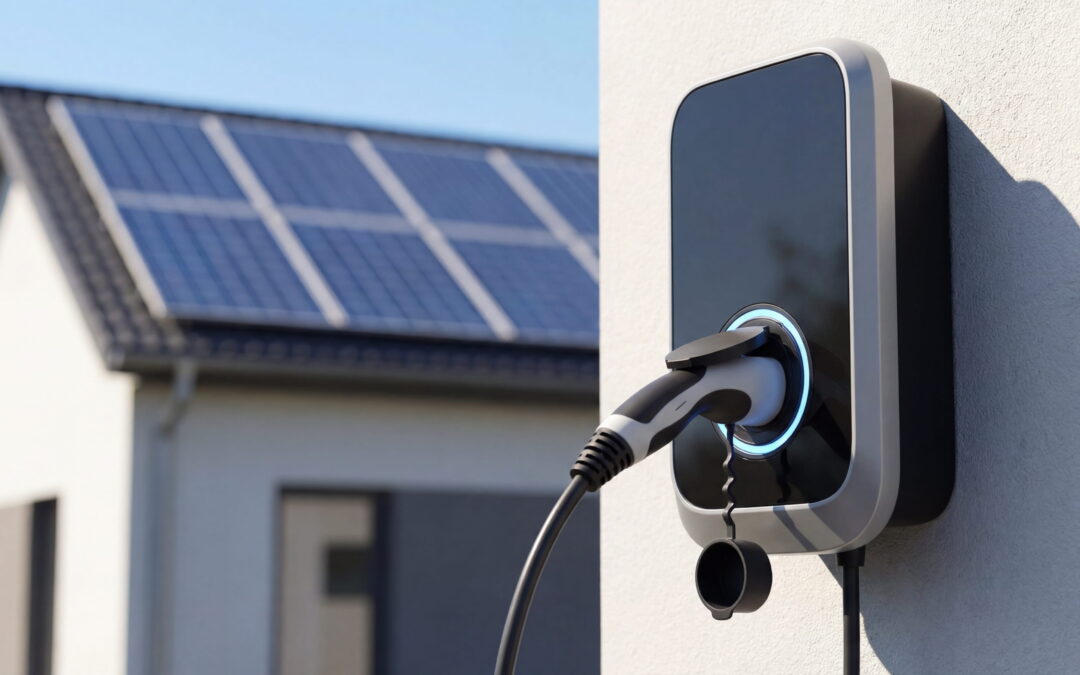
- EV charger installation
- A/C and furnace wiring changes
- Basement remodel circuits
- Kitchen appliance upgrades
- Solar readiness and related interconnections
A panel upgrade now can reduce the likelihood that future projects trigger additional electrical work just to make room.
Signs Your Denver Home May Be Due For A Panel Upgrade
Not every home needs a panel upgrade immediately. But these are common indicators that it’s worth having a licensed electrician evaluate:
Your Home Still Has 100-Amp Service
Many older Denver homes were built for lower electrical demand than today’s households. If you’re adding modern loads, 100-amp service can become limiting.
You’re Out Of Breaker Space (Or Using Workarounds)
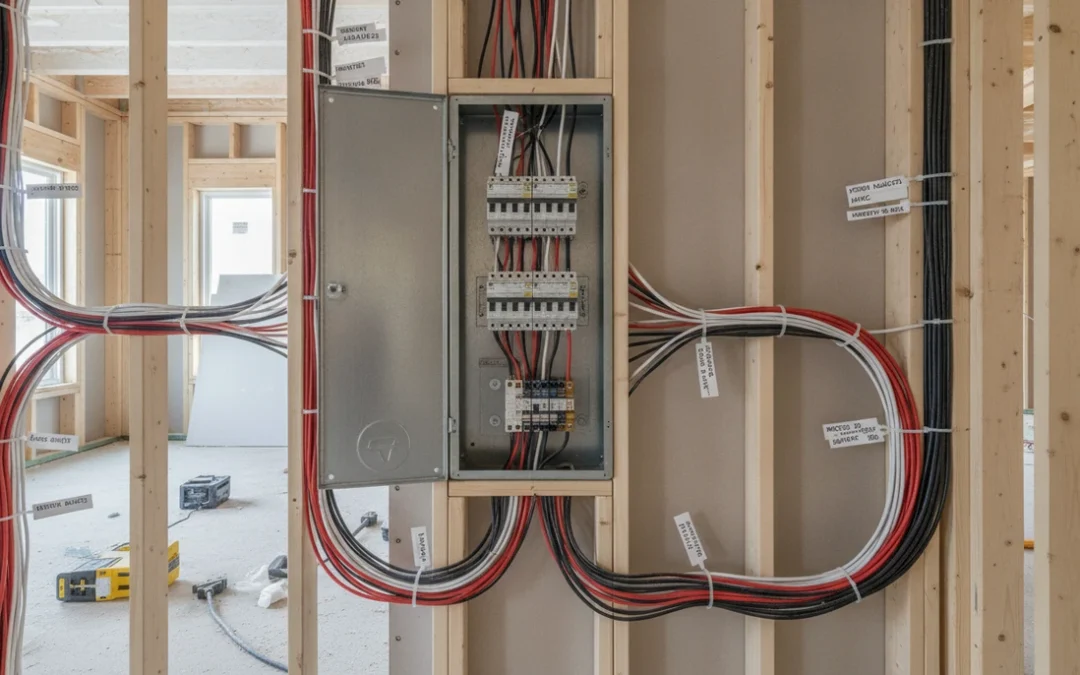
If you have “no room left,” frequent breaker swaps, or messy panel configurations, it may be time for a capacity and safety refresh.
Breakers Trip Regularly Or Lights Flicker Under Normal Use
This can point to overload, failing breakers, loose connections, or other issues that should be assessed promptly.
Your Panel Is Physically Deteriorating
Rust, heat discoloration, burning smells, buzzing, or warm-to-the-touch breakers are all reasons to stop and call a professional.
You’re Planning A Remodel Or Electrification Upgrade In The Next 6–18 Months
If a basement remodel, kitchen renovation, EV charger, or major HVAC upgrade is on your horizon, upgrading the panel first often simplifies everything that comes next.
What A Panel Upgrade Typically Includes
A licensed electrician will typically start with a site evaluation that looks at:
- Your service size and existing load
- Panel condition and available capacity
- Grounding and bonding
- Circuit organization and safety concerns
- Future project planning (EV, solar, remodel loads)
Then the upgrade plan may include:
- Panel replacement and modern breaker configuration
- New grounding/bonding updates as needed
- Permit support and coordination for inspection
- Testing and labeling improvements
The goal isn’t just “more power.” It’s a safer, code-aligned system that supports how you actually live.
A Smart Timing Strategy For 2026 And Beyond
If you’re thinking about upgrading, the most cost-effective timing is often:
- Before a major remodel opens walls and ceilings
- Before adding EV charging, solar, or major new appliances
- Before peak-season scheduling congestion
- While you can plan intentionally (instead of reacting to a failed inspection or capacity issue)
Colorado currently enforces the 2023 NEC as a minimum standard. But with the 2026 NEC published and code cycles continuing, the general direction is clear: modern safety expectations and electrification readiness are becoming the baseline.
Upgrade With Confidence With Table Mountain Electric
If you’re considering a Denver electrical panel upgrade and want to get ahead of the next wave of code expectations, Table Mountain Electric can help you evaluate your current setup and plan a safe, cost-conscious path forward. Our licensed and insured electricians serve the Denver Metro Area and can recommend the right approach, whether you need a straightforward panel replacement, added capacity for future upgrades, or a full system review.
Request a free quote to schedule your panel assessment and take the guesswork out of your next electrical upgrade.

Table Mountain Electric
Table Mountain Electric Inc. is Denver’s trusted name in premier electrical solutions. From essential services such as electrical panel upgrades and panel replacements to intricate kitchen wiring for your renovation needs, our expertise shines through in every project.