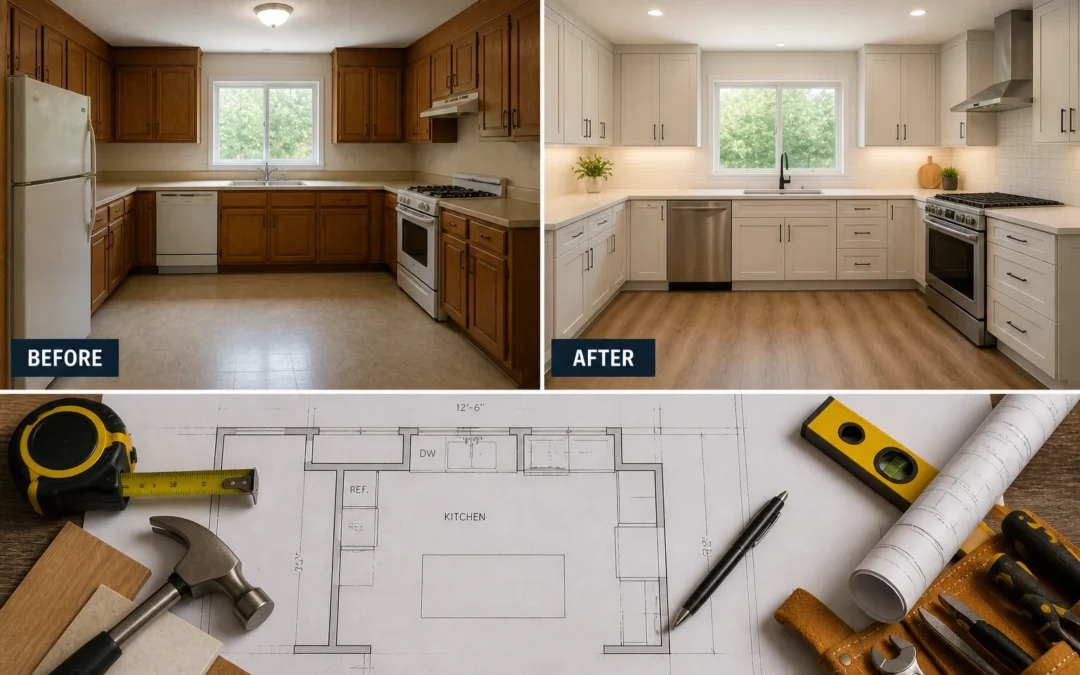
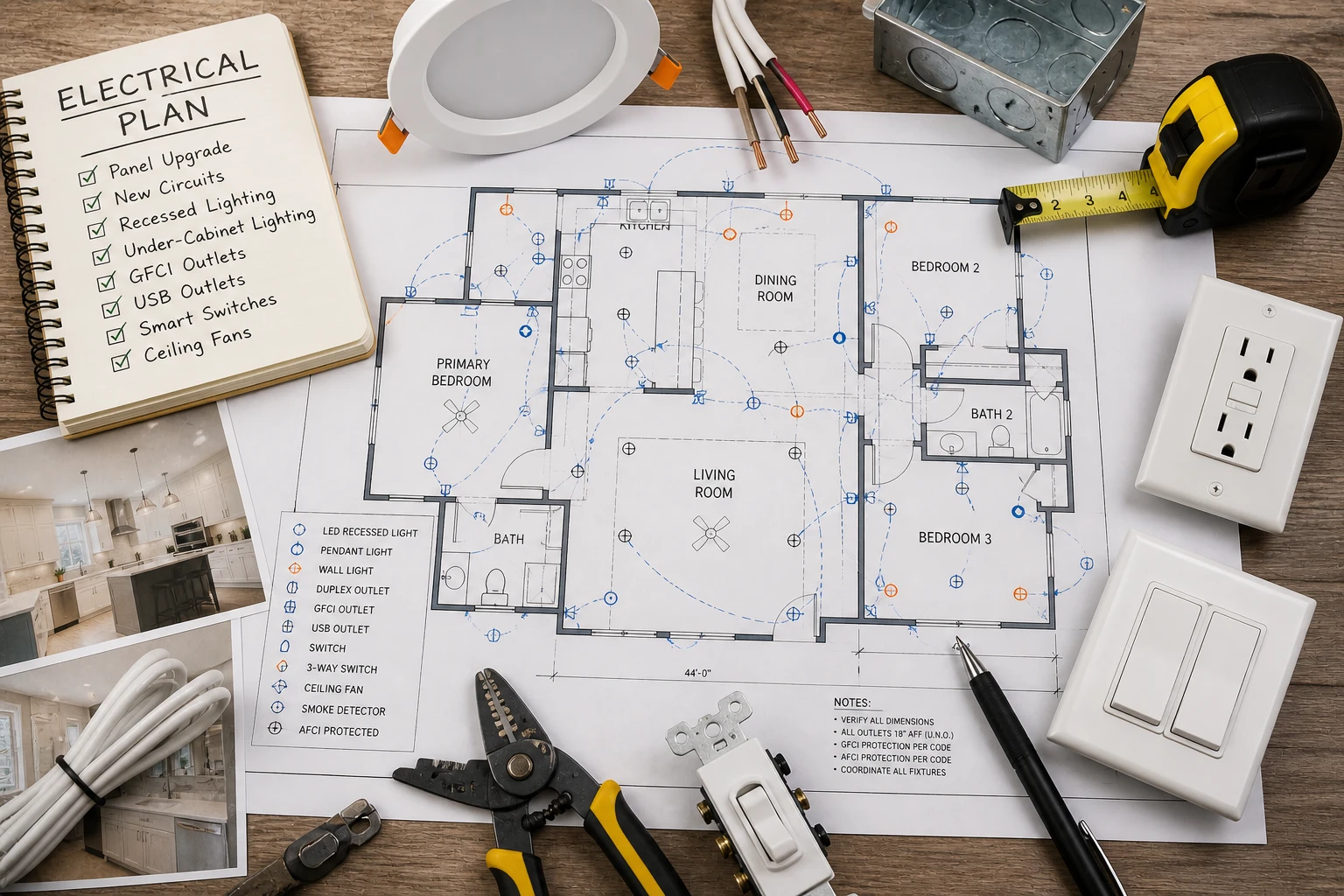
Electrical planning for renovations is one of the most important, but often overlooked, parts of any home project. They give you the chance to upgrade your space, improve functionality, and increase your home’s value. But while most homeowners focus on finishes like cabinets, flooring, and paint, one of the most important parts of any remodel happens behind the walls: electrical planning.
Whether you’re remodeling a kitchen, finishing a basement, or upgrading your entire home, proper electrical planning ensures your space is safe, efficient, and ready for modern living. Skipping this step can lead to delays, costly rework, or even serious safety hazards.
Here’s what every homeowner in the Denver Metro Area should know before starting a renovation.
Why Electrical Planning Matters In Renovations
Electrical systems are the backbone of your home. Every light, outlet, appliance, and smart device depends on a properly designed system to function safely.
During a renovation, you’re often:
- Adding new appliances
- Increasing power demand
- Changing layouts
- Updating lighting
- Expanding living space
Without proper planning, your existing electrical system may not be able to handle these changes.
The Risks Of Poor Planning
Failing to plan your electrical system can result in:
- Overloaded circuits
- Insufficient outlets
- Poor lighting placement
- Code violations
- Failed inspections
In many cases, fixing these issues after drywall is installed can significantly increase costs.
The Opportunity To Get It Right
The good news is that renovations provide the perfect opportunity to upgrade your electrical system while walls are open. This allows electricians to:
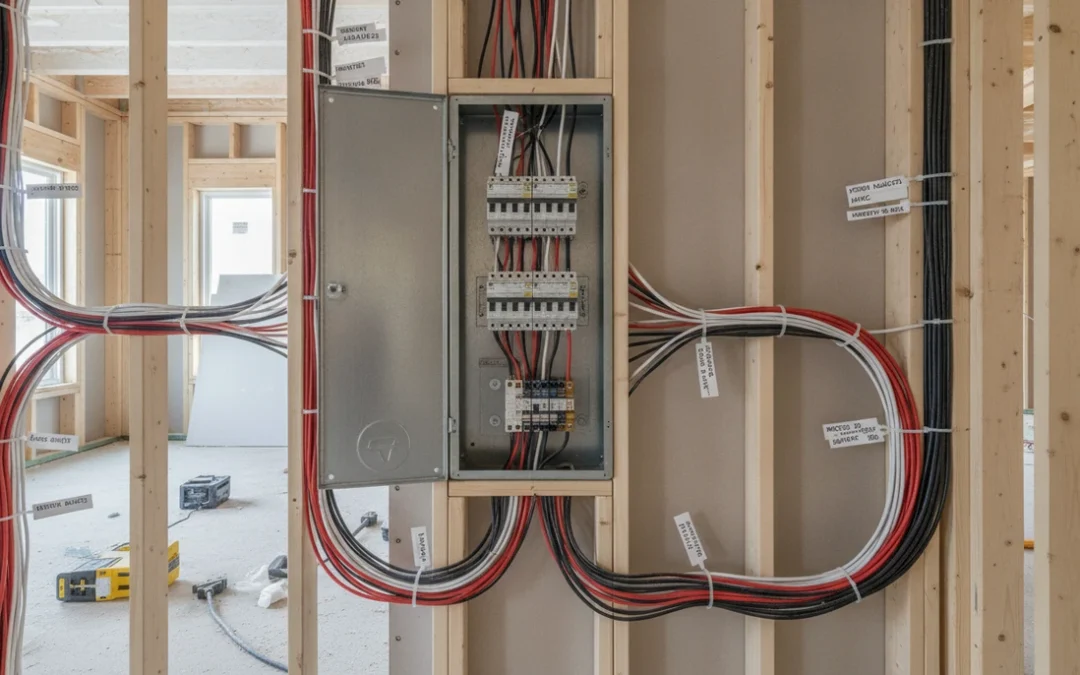
- Run wiring more efficiently
- Add circuits where needed
- Improve overall system capacity
Planning early helps you avoid limitations later.
Common Electrical Upgrades During Remodels
Most renovation projects include at least some level of electrical work. Here are the most common upgrades homeowners make.
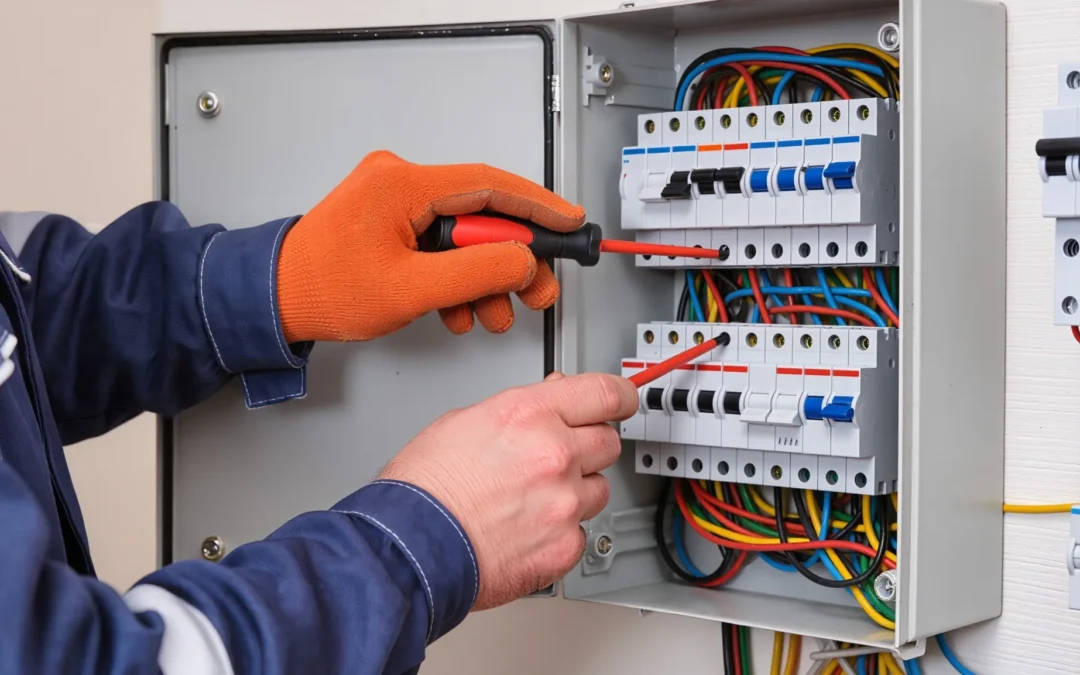
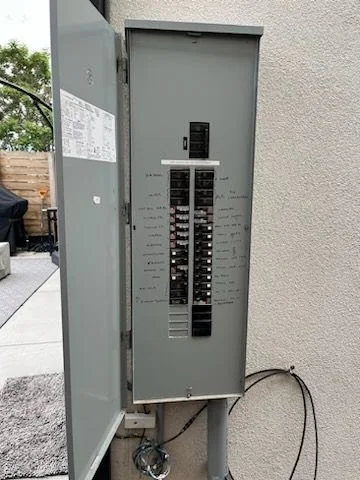
Electrical Panel Upgrades
Older homes often have 100-amp panels that struggle to support modern electrical loads. Upgrading to a 200-amp panel is common during renovations, especially if you’re adding:
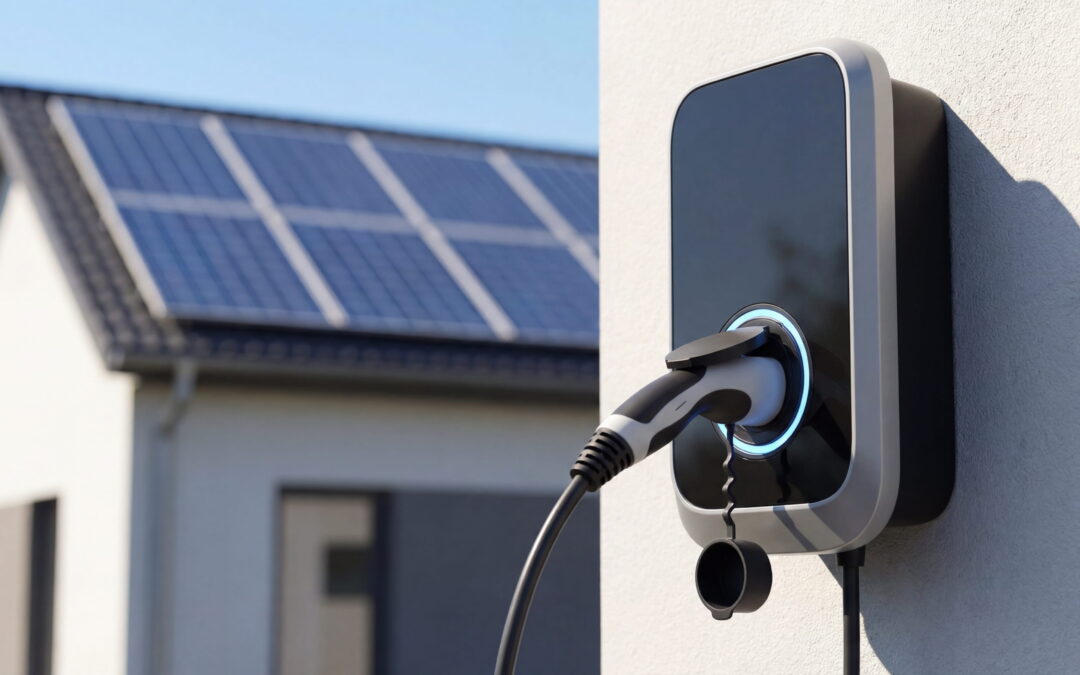
- EV chargers
- Air conditioning
- New appliances
- Additional living space
New Circuits And Wiring
Remodels typically require new wiring to support updated layouts and increased usage. This includes:
- Dedicated circuits for appliances
- New outlet placement
- Wiring for lighting and fixtures
Lighting Upgrades
Lighting is one of the most noticeable improvements in a remodel. Homeowners often add:
- Recessed lighting
- Under-cabinet lighting
- Accent lighting
- Smart lighting systems
Proper planning ensures lighting is both functional and visually appealing.
Outlet And Convenience Upgrades
Modern homes require more outlets than older ones. Renovations are a great time to add:
- GFCI outlets in kitchens and bathrooms
- USB outlets
- Floor outlets in living areas
- Hidden outlets for a clean look
Smart Home Integration
Many homeowners take the opportunity to integrate smart technology, including:
- Smart switches and dimmers
- Automated lighting
- Security systems
- Energy monitoring systems
These upgrades require thoughtful wiring and system design.
Code Compliance And Safety Considerations
Electrical work is heavily regulated for a reason: safety. During a renovation, all electrical work must meet current code requirements, even if your home was built under older standards.
GFCI And AFCI Protection
Modern code requires:
- GFCI outlets in areas with water (kitchens, bathrooms, basements)
- AFCI protection in living spaces to prevent electrical fires
These protections are essential for modern safety standards.
Proper Grounding And Bonding
Grounding ensures that electrical faults are safely directed away from your home. Many older homes need grounding upgrades during renovations.
Load Calculations
Adding new appliances or circuits requires proper load calculations to ensure your electrical system can handle the demand safely.
Permits And Inspections
Most renovation projects in Denver require electrical permits and inspections. A licensed electrician ensures:
- Work meets local building codes
- Inspections are passed
- Your home remains compliant
Skipping permits can lead to fines and complications when selling your home.
Working With Electricians Vs. General Contractors
One of the biggest decisions homeowners face during a renovation is who to hire.
Licensed Electricians
Electricians specialize in:
- Wiring and circuits
- Panel upgrades
- Electrical safety and code compliance
They are essential for any project involving electrical work.
General Contractors
General contractors oversee the entire project, including:
- Scheduling trades
- Managing timelines
- Coordinating permits and inspections
They act as the central point of communication for your renovation.
Which One Do You Need?
For small electrical-only projects, hiring an electrician may be enough. For larger remodels involving multiple trades, a general contractor is typically the better choice
The Advantage Of Electrical Expertise In General Contracting
Projects often run into issues when electrical planning is treated as an afterthought. Working with a contractor who understands both general construction and electrical systems, like Table Mountain Electric, ensures better coordination and fewer surprises.
This approach allows for:
- More accurate planning
- Better system design
- Fewer delays and rework
How To Plan Your Renovation The Right Way
Proper planning is the key to a successful renovation. Here’s how to approach it.
Start With Your Goals
Think about how you want to use the space:
- More outlets for convenience
- Better lighting for functionality
- Space for future upgrades
This helps guide your electrical plan.
Involve An Electrician Early
Bringing in a licensed electrician during the planning phase allows you to:
- Identify system limitations
- Plan circuits and wiring layout
- Estimate costs accurately
Waiting too long can limit your options.
Plan For The Future
Even if you don’t need certain upgrades now, consider future needs:
- EV charger installation
- Solar panel readiness
- Smart home integration
Planning ahead can save you money later.
Budget For Electrical Work
Electrical upgrades are a critical part of your renovation budget. Cutting corners here can lead to bigger expenses down the road.
Coordinate With Your Contractor
If you’re working with a general contractor, make sure electrical planning is integrated into the overall project timeline. This ensures:
- Work is done in the correct order
- Inspections are scheduled properly
- Delays are minimized
Build It Right From The Start
Electrical planning isn’t the most visible part of a renovation, but it’s one of the most important. A well-designed electrical system ensures your home is safe, functional, and ready for modern living.
Taking the time to plan properly, work with licensed professionals, and think ahead will save you time, money, and frustration throughout your project.
Plan Your Renovation With Table Mountain Electric
If you’re planning a renovation in the Denver Metro Area, Table Mountain Electric is here to help. From electrical design and panel upgrades to full project coordination, our licensed team ensures your renovation is completed safely, efficiently, and up to code.
Request a free quote today to get started. Let’s build your project the right way from the inside out.

Table Mountain Electric
Table Mountain Electric Inc. is Denver’s trusted name in premier electrical solutions. From essential services such as electrical panel upgrades and panel replacements to intricate kitchen wiring for your renovation needs, our expertise shines through in every project.