
When it comes to protecting your home’s electrical system, safety devices like AFCIs (Arc Fault Circuit Interrupters) and GFCIs (Ground Fault Circuit Interrupters) are essential. They might sound similar, but each serves a unique, and equally critical, purpose in keeping your home and family safe from electrical hazards.
Whether you’re renovating, upgrading your electrical panel, or simply curious about how these devices work, understanding the difference between AFCI and GFCI protection can help you make smarter, safer choices for your home.
What Is GFCI Protection?
GFCI stands for Ground Fault Circuit Interrupter. Its job is to protect people from electrical shock.
A ground fault occurs when electricity flows through an unintended path. For instance, through water or a person. GFCIs monitor the current traveling through a circuit and can detect even tiny imbalances (as small as 4–6 milliamps). If the GFCI senses a problem, it immediately cuts off the power, often in as little as 1/40th of a second.
Where GFCIs Are Required
The National Electrical Code (NEC) mandates GFCI protection in any area where electricity and moisture are likely to mix, including:
- Kitchens
- Bathrooms
- Laundry rooms
- Garages
- Basements and crawl spaces
- Outdoor outlets
These areas pose a higher risk of electrical shock, making GFCIs essential safety features.
How GFCIs Protect You
Let’s say you drop your hairdryer into a sink full of water. The GFCI senses the sudden imbalance in current and instantly shuts off power, preventing a potentially fatal electric shock.
That’s why they’re often found on outlets with the familiar “Test” and “Reset” buttons.
What Is AFCI Protection?
AFCI stands for Arc Fault Circuit Interrupter, and it’s designed to prevent electrical fires.
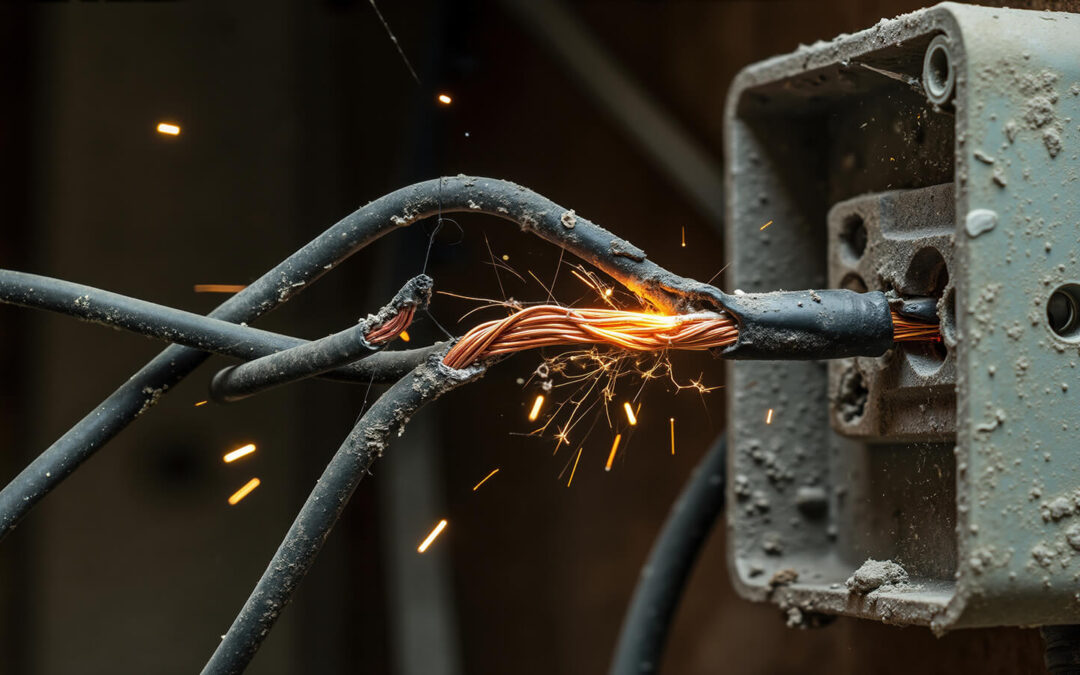
An arc fault occurs when an electrical current jumps (or arcs) across a loose or damaged connection. These arcs can generate intense heat, hot enough to ignite nearby materials such as insulation or wood.
AFCIs detect these dangerous arcing conditions and automatically shut off the power before a fire can start.
Where AFCIs Are Required
Modern building codes require AFCI protection in nearly all living spaces, including:
- Bedrooms and living rooms
- Family rooms and dining areas
- Hallways and closets
- Home offices and dens
Originally required only for bedrooms, AFCI coverage has expanded as research showed that arc faults can occur in any part of a home’s wiring.
How AFCIs Protect Your Home
Imagine an electrical cord that’s been pinched under furniture or chewed by a pet. The damaged wiring could start to arc and overheat, creating sparks inside the wall. An AFCI instantly detects that irregular arcing signature and shuts off the circuit, preventing a fire before it starts.
Key Differences Between AFCI and GFCI Protection
| Feature | AFCI (Arc Fault Circuit Interrupter) | GFCI (Ground Fault Circuit Interrupter) |
| Primary Function | Prevents electrical fires | Prevents electric shock |
| Detects | Dangerous arcing in wiring or devices | Current leaks between hot and ground |
| Protects Against | Fire hazards from faulty wiring | Shock hazards from water or grounding issues |
| Common Locations | Bedrooms, living areas, hallways | Bathrooms, kitchens, garages, outdoor outlets |
| Required By Code | NEC 210.12 | NEC 210.8 |
| Reset Method | Circuit breaker or outlet reset | Outlet “Reset” button or breaker reset |
In short, AFCIs protect your home; GFCIs protect you.
Do You Need Both AFCI and GFCI Protection?
In many cases, yes. Some outlets and circuits now come with dual-function breakers or receptacles that combine both AFCI and GFCI protection. These devices provide comprehensive defense against both electrical fires and shocks.
For example:
- A kitchen might need GFCI protection for outlets near water, but also benefit from AFCI protection for wiring behind walls.
- Laundry rooms and basements often require both, as they combine moisture and appliance-heavy circuits.
If your home is older, upgrading to dual-protection devices can significantly improve safety and code compliance.
Why These Devices Are So Important
According to the Electrical Safety Foundation International (ESFI):
- GFCIs have reduced household electrocutions by over 80% since their introduction.
- AFCIs can prevent 50–75% of electrical fires caused by arc faults each year.
These small devices make a huge difference in protecting lives and property. Neglecting to install or maintain them could leave your home vulnerable to serious risks.
How to Know If Your Home Has Proper AFCI and GFCI Protection
Not sure if your home is up to code? Here’s what to look for:
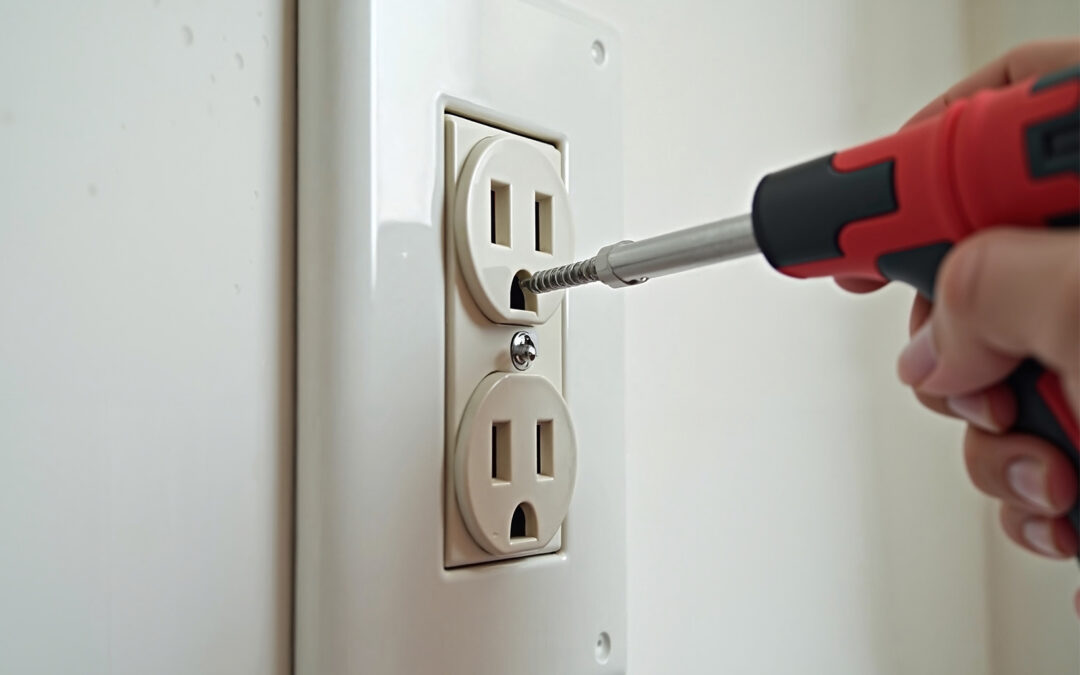
- Outlets with “Test” and “Reset” buttons usually indicate GFCI protection.
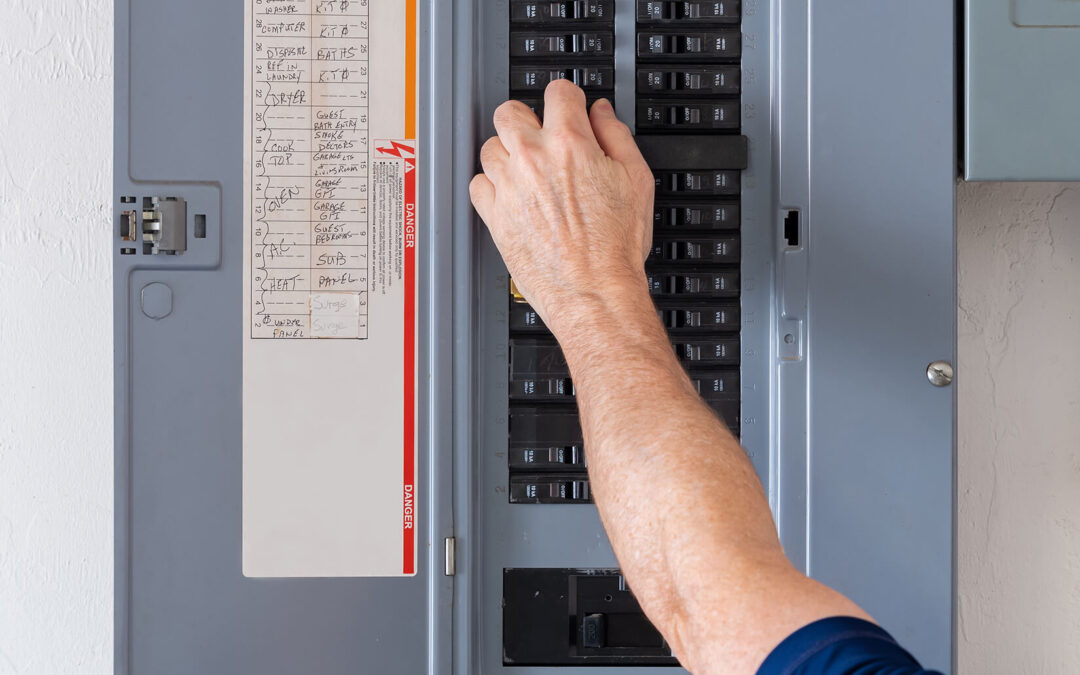
- Your electrical panel may have AFCI breakers labeled as such.
- Homes built before 2008 (when AFCIs became standard) often lack this protection entirely.
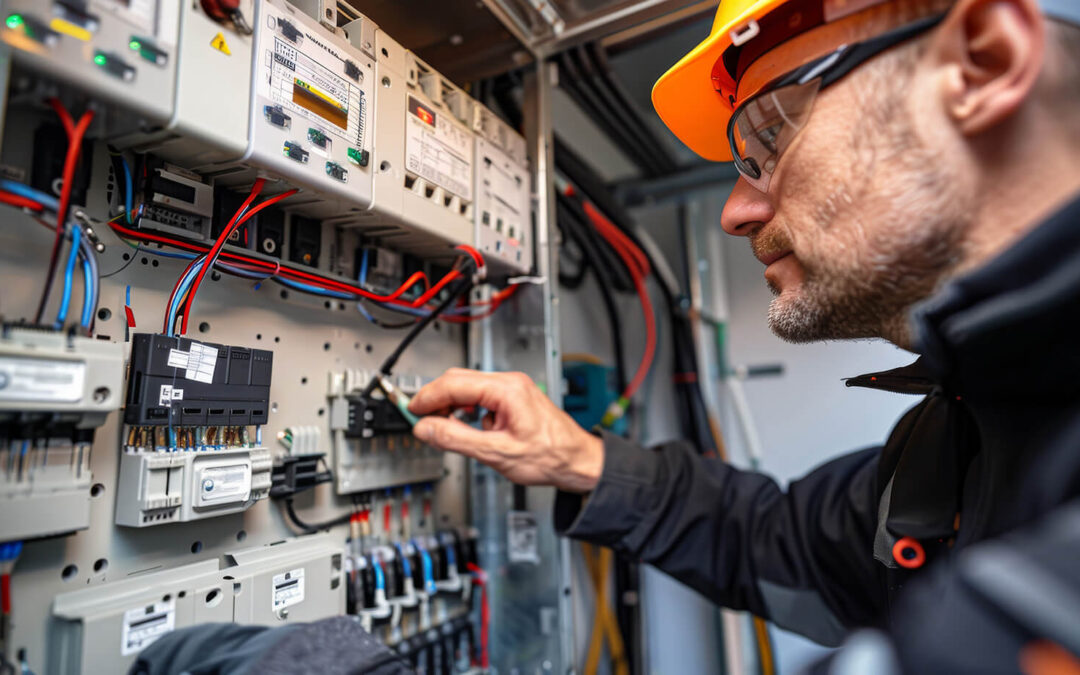
If you’re unsure or your home is older, it’s best to schedule a professional electrical inspection to evaluate your system.
Can You Install AFCI or GFCI Devices Yourself?
While replacing a single outlet may seem straightforward, AFCI and GFCI wiring can be complex, especially when combined in circuits or at the panel level. Improper installation can lead to nuisance tripping or incomplete protection.
A licensed electrician ensures:
- Proper wiring connections
- Compliance with the latest NEC standards
- Correct installation of combination devices
- Verification that the rest of your circuit is safe and balanced
DIY mistakes might not just void protection. They can also pose new risks.
Upgrade Your Home’s Safety with Table Mountain Electric
At Table Mountain Electric, we specialize in AFCI and GFCI installation and inspections for homeowners across the Denver Metro Area. Our licensed electricians ensure your system meets all modern code requirements and provides maximum safety for your family.
Whether you’re upgrading your electrical panel, remodeling your kitchen, or living in an older home that needs modern protection, we’ll make sure every circuit is properly secured. Book your service online to schedule your inspection or AFCI/GFCI installation.

Table Mountain Electric
Table Mountain Electric Inc. is Denver’s trusted name in premier electrical solutions. From essential services such as electrical panel upgrades and panel replacements to intricate kitchen wiring for your renovation needs, our expertise shines through in every project.