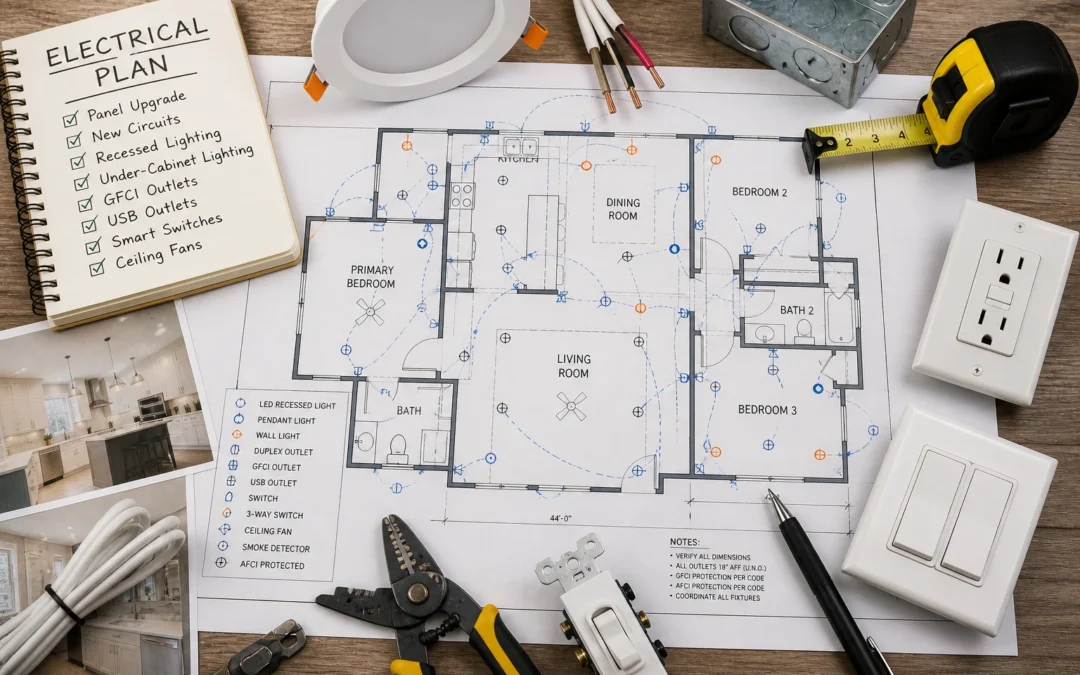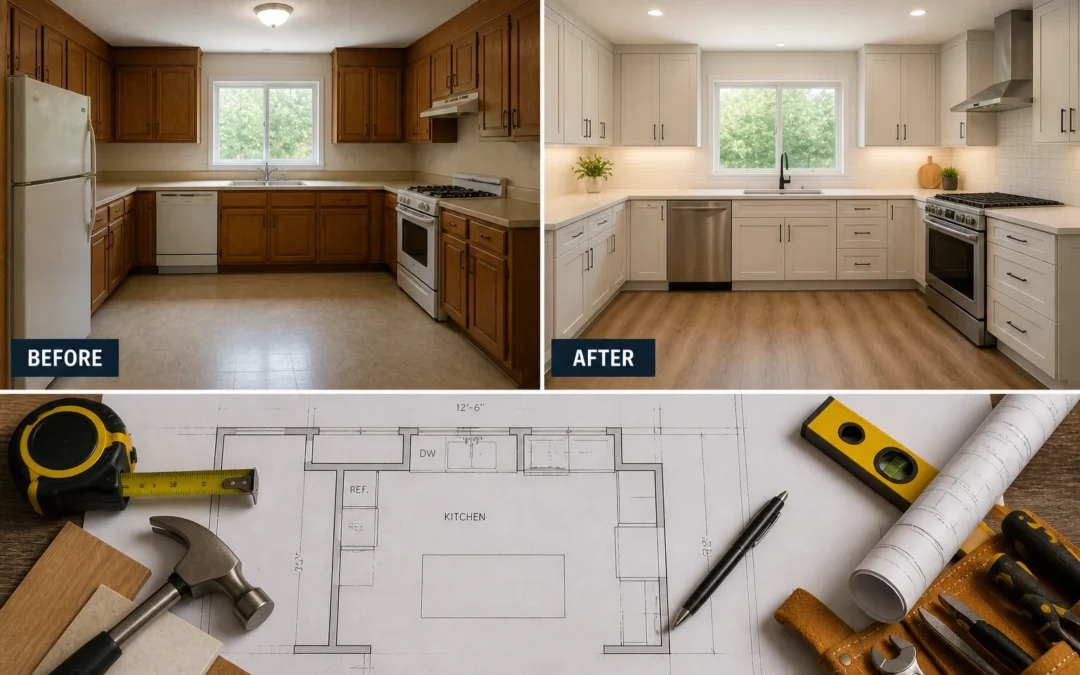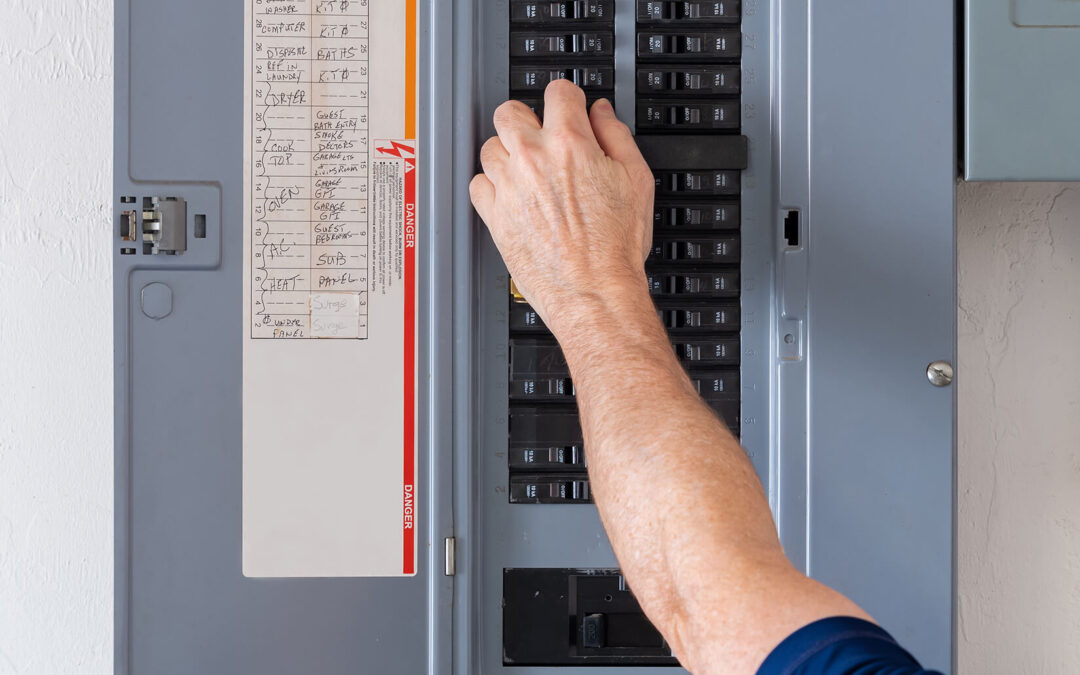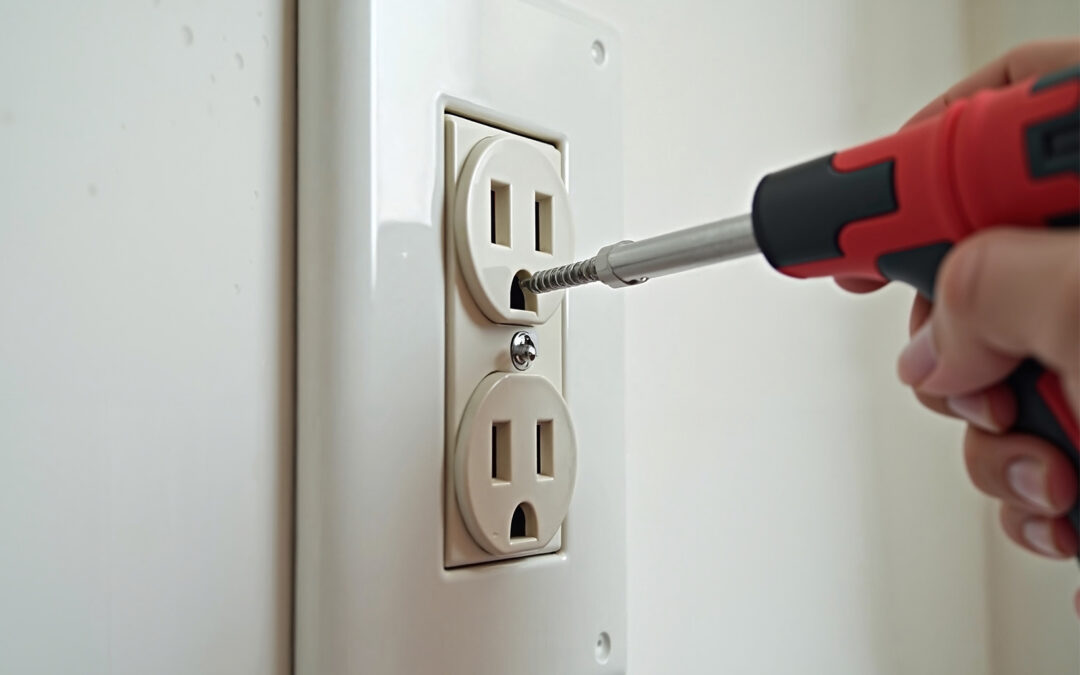
A kitchen remodel is one of the most rewarding home improvement projects you can take on. It adds value, improves functionality, and transforms how you use your space day-to-day. But behind every beautiful kitchen is a carefully planned electrical system that makes everything work safely and efficiently.From powering appliances to meeting modern safety codes, kitchen electrical work is far more complex than it may seem. If you’re planning a remodel in the Denver area, understanding kitchen electrical requirements in Denver can help you avoid costly mistakes and ensure your project passes inspection the first time.
In this guide, we’ll walk through the key components of kitchen electrical planning, including dedicated circuits, appliance wiring, GFCI protection, and lighting design, along with answers to common homeowner questions about kitchen remodel electricians.
Why Electrical Planning Is Critical In A Kitchen Remodel
Today’s kitchens demand more power than ever before. Between large appliances, small countertop devices, and modern lighting systems, your electrical system needs to handle significant load safely.
Improper electrical planning can lead to:
- Overloaded circuits
- Frequent breaker trips
- Code violations
- Fire hazards
- Expensive rework after inspection
That’s why electrical work should be one of the first things planned, not the last.
Dedicated Circuits: Powering Your Kitchen Safely
One of the most important aspects of kitchen wiring is the use of dedicated circuits.
What Is A Dedicated Circuit?
A dedicated circuit supplies power to a single appliance or specific area without sharing the load with other devices. This prevents overload and ensures consistent performance.
Common Dedicated Circuits In A Kitchen
Most kitchens require dedicated circuits for:
- Refrigerator
- Microwave
- Dishwasher
- Garbage disposal
- Electric range or cooktop
- Oven
- Range hood
- Wine fridge or beverage cooler
Why Dedicated Circuits Matter
Without dedicated circuits, appliances can compete for power, leading to:
- Breaker trips
- Reduced appliance performance
- Increased wear and tear
- Safety risks
Modern electrical codes require these circuits to ensure safe and reliable operation, especially in high-demand areas like kitchens.
Appliance Wiring Requirements: What You Need To Know
Each appliance in your kitchen has specific wiring requirements based on its voltage and power usage.
120-Volt Appliances
Smaller appliances like microwaves, refrigerators, and dishwashers often run on 120V circuits but still require dedicated lines.
240-Volt Appliances
Larger appliances such as:
- Electric ranges
- Ovens
- Induction cooktops
These require 240-volt circuits, which must be properly installed and sized to handle higher loads.
Proper Circuit Sizing
Each circuit must be matched to the appliance’s amperage requirements. Undersized wiring can overheat, while oversized breakers may fail to trip when needed.
Hardwired Vs Plug-In Appliances
Some appliances are hardwired directly into the electrical system, while others plug into outlets. Both require proper installation to meet code and manufacturer specifications.
GFCI Outlets: Essential Kitchen Safety Protection
Kitchens are high-risk areas for electrical shock due to the presence of water. That’s why GFCI (Ground Fault Circuit Interrupter) outlets are required in specific locations.
Where GFCI Outlets Are Required
- Countertop outlets
- Areas within 6 feet of a sink
- Island outlets
- Wet bar areas
How GFCI Protection Works
GFCI outlets monitor electrical current and shut off power instantly if an imbalance is detected, protecting you from shock.
Why They’re Critical
Without GFCI protection, even minor electrical faults near water can become dangerous. Installing them correctly is not just a code requirement. It’s a safety necessity.
Lighting Design Planning: Function Meets Style
Lighting plays a major role in both the functionality and appearance of your kitchen.
Types Of Kitchen Lighting
A well-designed kitchen includes multiple layers of lighting:
Ambient Lighting
General overhead lighting, often from recessed fixtures or ceiling-mounted lights.
Task Lighting
Focused lighting for work areas like countertops, sinks, and cooking zones. Under-cabinet lighting is a popular option.
Accent Lighting
Used to highlight design features such as backsplashes, shelving, or architectural details.
Planning Your Layout
Proper lighting design considers:
- Cabinet placement
- Appliance locations
- Natural light sources
- Ceiling height
Energy Efficiency And Controls
Modern kitchens often include:
- LED lighting for efficiency
- Dimmer switches for flexibility
- Smart lighting systems for convenience
Planning lighting early ensures wiring is placed correctly before walls and ceilings are finished.
How Many Outlets Are Required In A Kitchen?
This is one of the most common questions homeowners ask during a remodel.
General Outlet Requirements
Electrical code requires:
- Outlets every 2 feet along countertop spaces wider than 12 inches
- At least one outlet on each island or peninsula
- GFCI protection for all countertop outlets
Why So Many Outlets?
Modern kitchens use multiple small appliances at once: coffee makers, blenders, toasters, air fryers, and more. Proper outlet placement prevents the need for extension cords, which can be unsafe.
Additional Outlet Considerations
- USB outlets for charging devices
- Hidden outlets for clean aesthetics
- Appliance-specific outlets behind built-ins
Planning outlet placement carefully improves both safety and convenience.
Do I Need An Electrician For A Kitchen Remodel?
Short answer: Yes, absolutely.
Kitchen electrical work is one of the most complex and code-regulated parts of a home. Even if you’re comfortable with basic DIY projects, kitchen wiring involves:
- High-load circuits
- Multiple dedicated lines
- GFCI and AFCI protection
- Permit and inspection requirements
- Proper grounding and bonding
Mistakes can lead to failed inspections, damaged appliances, or serious safety hazards.
Why Hire A Licensed Electrician?
A professional electrician ensures:
- Code compliance
- Proper circuit design
- Safe installation
- Accurate load calculations
- Long-term reliability
They also coordinate with contractors, inspectors, and other trades to keep your remodel on track.
Common Kitchen Electrical Mistakes To Avoid
- Not adding enough outlets
- Skipping dedicated circuits
- Improper GFCI placement
- Poor lighting layout
- Underestimating power needs
- DIY wiring without permits
Avoiding these mistakes early can save you time, money, and frustration.
Plan Your Kitchen Electrical System The Right Way
A kitchen remodel is more than cabinets and countertops. It’s a complete system upgrade that needs to support modern living. Proper electrical planning ensures your kitchen is safe, functional, and ready for years of use.
By focusing on dedicated circuits, appliance wiring, GFCI protection, and thoughtful lighting design, you can build a kitchen that not only looks great but works exactly the way you need it to.
Remodel With Confidence With Table Mountain Electric
If you’re planning a kitchen remodel in the Denver Metro Area, Table Mountain Electric is here to help. Our licensed electricians specialize in kitchen wiring, panel upgrades, lighting design, and code-compliant electrical installations that keep your project running smoothly.
Request a free quote today to get started. Let’s build a kitchen that’s powered safely, efficiently, and designed for how you live.

Table Mountain Electric
Table Mountain Electric Inc. is Denver’s trusted name in premier electrical solutions. From essential services such as electrical panel upgrades and panel replacements to intricate kitchen wiring for your renovation needs, our expertise shines through in every project.