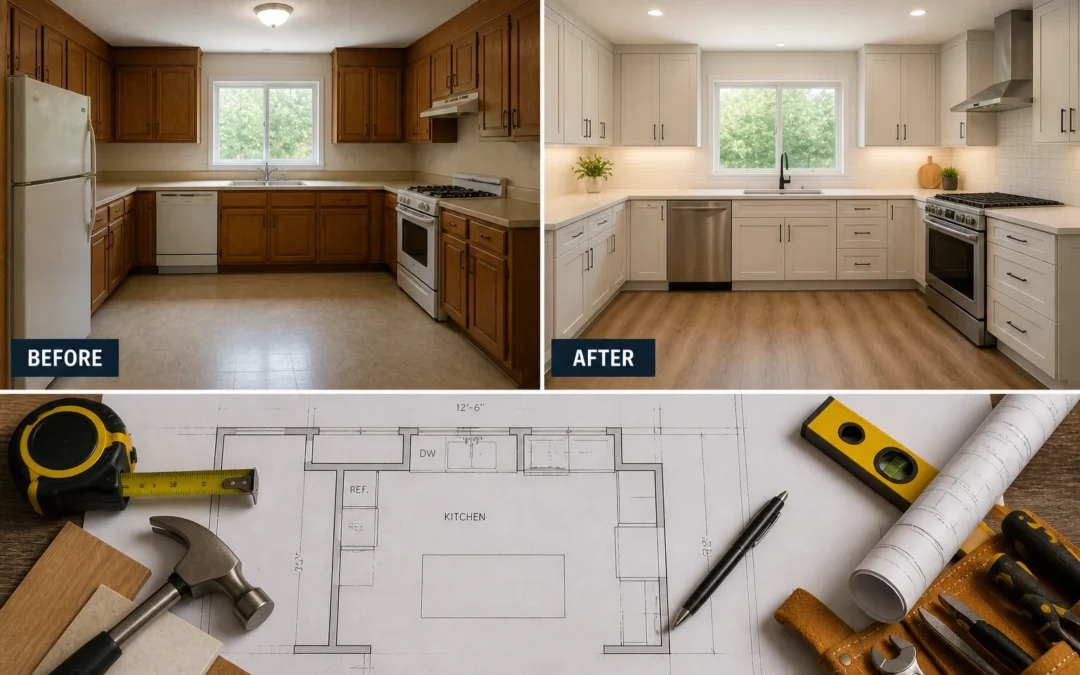
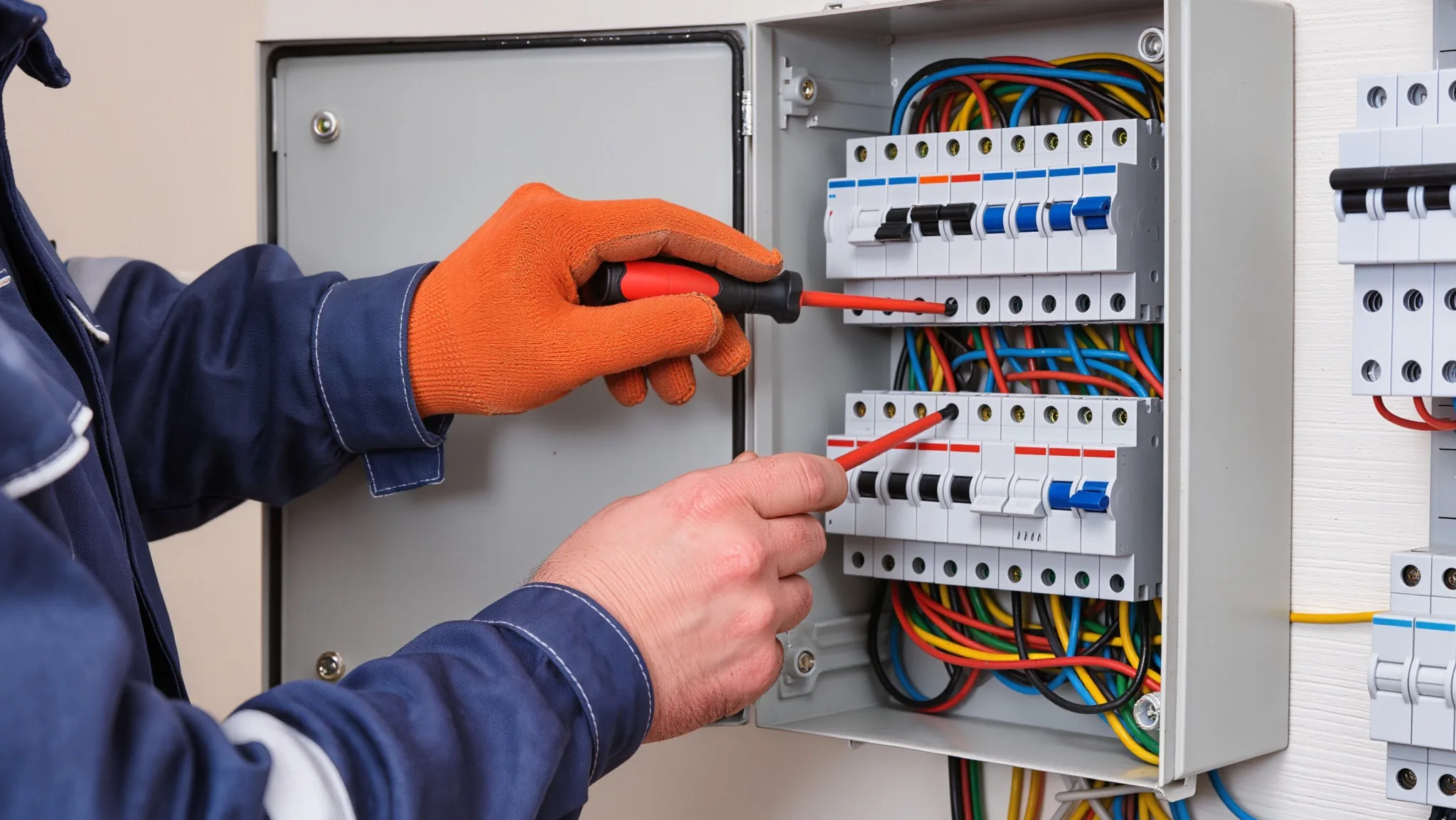
Home and commercial renovations are exciting opportunities to improve a property’s appearance, functionality, and value. However, renovations also present an opportunity for electrical problems to surface, especially in older buildings where wiring may not meet current standards.
Whether you’re remodeling a kitchen, finishing a basement, updating an office, or renovating a retail space, electrical code compliance is critical. Unfortunately, code violations are one of the most common issues discovered during inspections, often leading to project delays, additional costs, and safety concerns.
Understanding the most common electrical code violations can help property owners make informed decisions and avoid costly surprises during their renovation projects.
Why Electrical Codes Matter
Electrical codes exist to protect people and property from electrical hazards. The National Electrical Code (NEC) establishes standards for safe electrical design, installation, and inspection throughout the United States.
While many homeowners view code requirements as red tape, these regulations are designed to reduce the risk of:
- Electrical fires
- Electrical shock
- Equipment damage
- System overloads
- Improper installations
Electrical systems have become significantly more complex over the years. Today’s homes and businesses rely on more devices, appliances, and technology than ever before, making proper installation and code compliance even more important.
Renovations Often Trigger Code Reviews
One of the biggest misconceptions among property owners is that existing electrical systems are automatically grandfathered in forever.
While some older systems may remain legal, renovation projects often require portions of the electrical system to be updated to current standards. Once walls are opened, circuits are modified, or new equipment is installed, inspectors may require certain upgrades before approving the work.
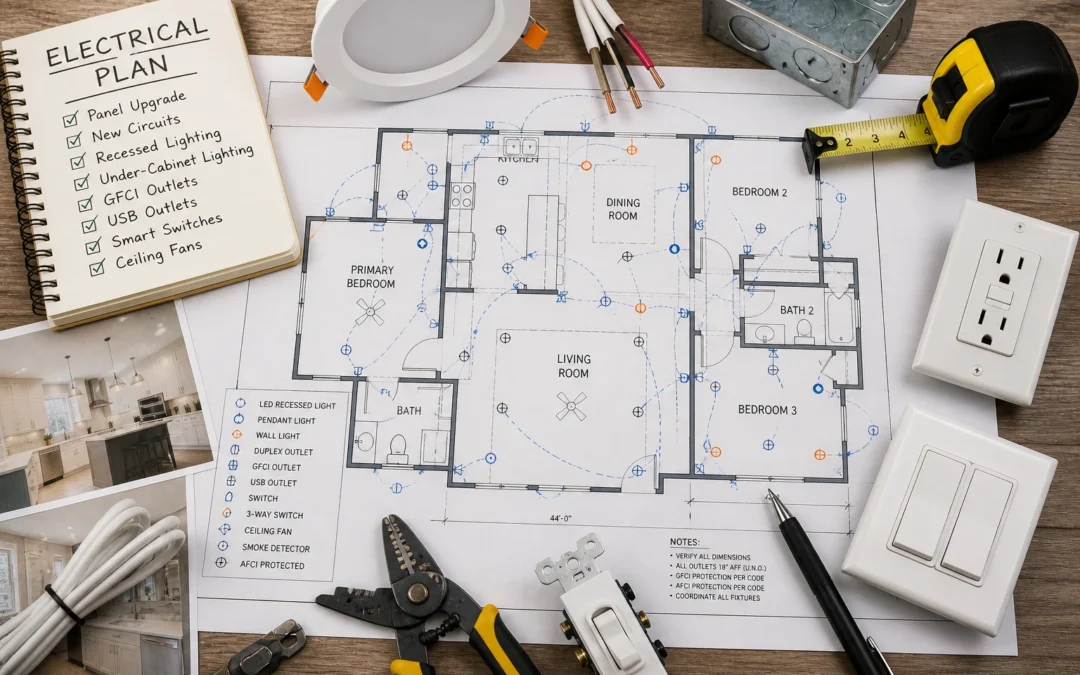
This is why electrical planning should always be part of the renovation process from the beginning.
The Most Common Residential Code Violations
Residential renovations frequently uncover electrical issues that may have existed for years without the homeowner realizing it.
Missing GFCI Protection
Ground Fault Circuit Interrupter (GFCI) protection is required in areas where electricity and moisture may come into contact. Older homes often lack proper GFCI protection because these requirements were added or expanded over time.
When inspectors find standard outlets where GFCIs are required, corrections must typically be made before approval.
Insufficient AFCI Protection
Arc Fault Circuit Interrupter (AFCI) protection helps prevent electrical fires caused by arcing faults within wiring systems. Many renovation projects trigger AFCI requirements, and AFCI protection is one of the most commonly overlooked code requirements during remodeling projects.
Overfilled Electrical Boxes
Electrical boxes are designed to hold a specific number of conductors and devices.
During renovations, electricians sometimes discover boxes that contain:
- Too many wires
- Excessive splices
- Multiple devices beyond rated capacity
Overcrowded boxes can create heat buildup and make future maintenance difficult.
Improper Wire Connections
DIY repairs and previous remodels often leave behind wiring issues, such as:
- Loose wire nuts
- Exposed conductors
- Unsupported splices
- Connections made outside approved junction boxes
These violations can create significant safety hazards and often fail inspection.
Missing Grounding
Many older homes were built before modern grounding requirements became standard.
Common grounding violations include:
- Ungrounded outlets
- Improperly bonded panels
- Missing grounding conductors
Proper grounding helps protect occupants and equipment from electrical faults.
Lack Of Dedicated Circuits
Modern appliances often require dedicated circuits. Renovations frequently reveal older wiring systems where multiple high-demand appliances share a single circuit, creating overload risks.
Commercial Electrical Code Issues
Commercial properties face many of the same challenges as residential buildings, but often on a larger scale.
Improper Emergency Lighting
Emergency lighting is critical in commercial buildings because it helps occupants safely exit during power outages.
Common violations include:
- Non-functioning emergency lights
- Missing backup power systems
- Inadequate illumination levels
These issues can create serious life-safety concerns.
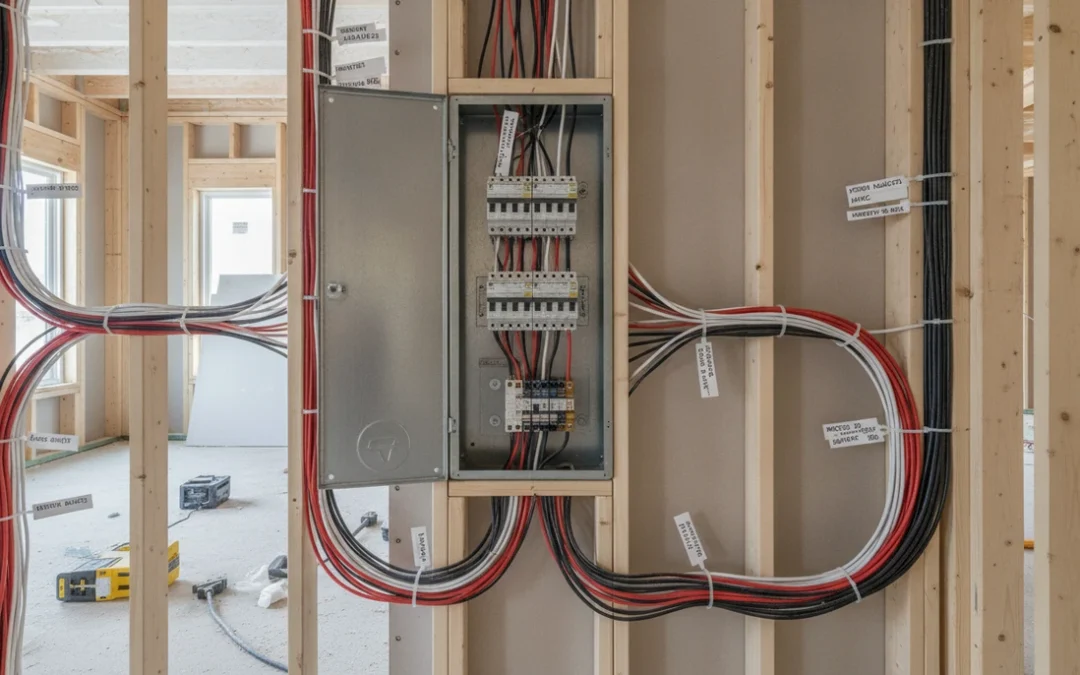
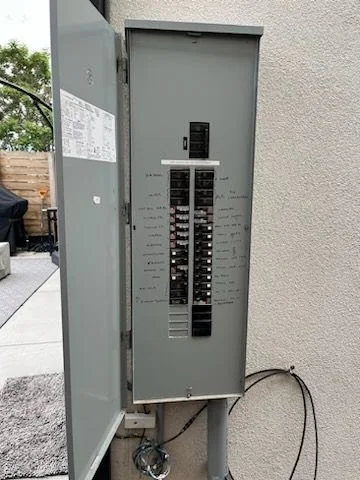
Inadequate Circuit Labeling
Commercial electrical panels often contain dozens, or even hundreds, of circuits.
Inspectors frequently find:
- Missing labels
- Incorrect circuit descriptions
- Unidentified breakers
Proper labeling improves safety and speeds up troubleshooting during emergencies.
Panel Clearance Violations
Electrical panels require adequate working space around them.
Storage boxes, shelving, equipment, and inventory are often placed too close to electrical panels, violating code requirements.
Insufficient clearance can:
- Restrict emergency access
- Create safety hazards
- Lead to failed inspections
Improper Wiring Modifications
As businesses grow, electrical systems are often modified repeatedly over the years.
Common issues include:
- Temporary wiring used permanently
- Unapproved extension cord use
- Abandoned wiring left in place
- Improper conduit installations
These problems are frequently uncovered during tenant improvements and commercial renovations.
Overloaded Electrical Systems
Commercial spaces often add equipment without evaluating electrical capacity.
Examples include:
- Additional workstations
- Manufacturing equipment
- Commercial kitchen appliances
- HVAC upgrades
Without proper load calculations, panels and circuits can become overloaded.
Risks Of Ignoring Electrical Violations
Some property owners are tempted to ignore electrical violations, especially if the system appears to be functioning normally. However, code violations can create serious long-term consequences.
Increased Fire Risk
Many electrical fires begin because of:
- Loose connections
- Overloaded circuits
- Improper wiring methods
- Faulty electrical components
Code requirements exist specifically to reduce these risks.
Failed Inspections
Uncorrected violations can delay renovation projects and prevent permits from being finalized.
This may lead to:
- Construction delays
- Additional labor costs
- Reinspection fees
Insurance Complications
Electrical violations may affect insurance claims after an electrical incident.
Insurance companies may question coverage if damage is linked to:
- Unpermitted work
- Known code violations
- Improper installations
Reduced Property Value
Electrical deficiencies often appear during home inspections and commercial property evaluations.
Potential buyers may request repairs or negotiate lower purchase prices when significant electrical issues are discovered.
Safety Risks For Occupants
Above all else, electrical code violations put people at risk.
Potential hazards include:
- Electrical shock
- Burns
- Fire
- Equipment damage
The cost of correcting violations is often far less than the cost of an accident.
How Professional Electricians Help Ensure Compliance
The best way to avoid electrical code violations during a renovation is to involve a licensed electrician early in the planning process.
Code Knowledge And Expertise
Professional electricians stay current with:
- National Electrical Code updates
- Colorado electrical requirements
- Local building regulations
This knowledge helps prevent costly mistakes before work begins.
Thorough Inspections
Before starting a renovation, electricians can evaluate existing systems and identify potential concerns. This allows property owners to address issues proactively rather than during final inspections.
Proper Permit Handling
Licensed electricians understand permit requirements and help ensure:
- Documentation is completed correctly
- Inspections are scheduled appropriately
- Projects remain compliant throughout construction
Safe Installation Practices
Professional electricians use approved materials and installation methods that meet current code standards.
This improves:
- Safety
- Reliability
- Long-term performance
Future-Proofing Your Electrical System
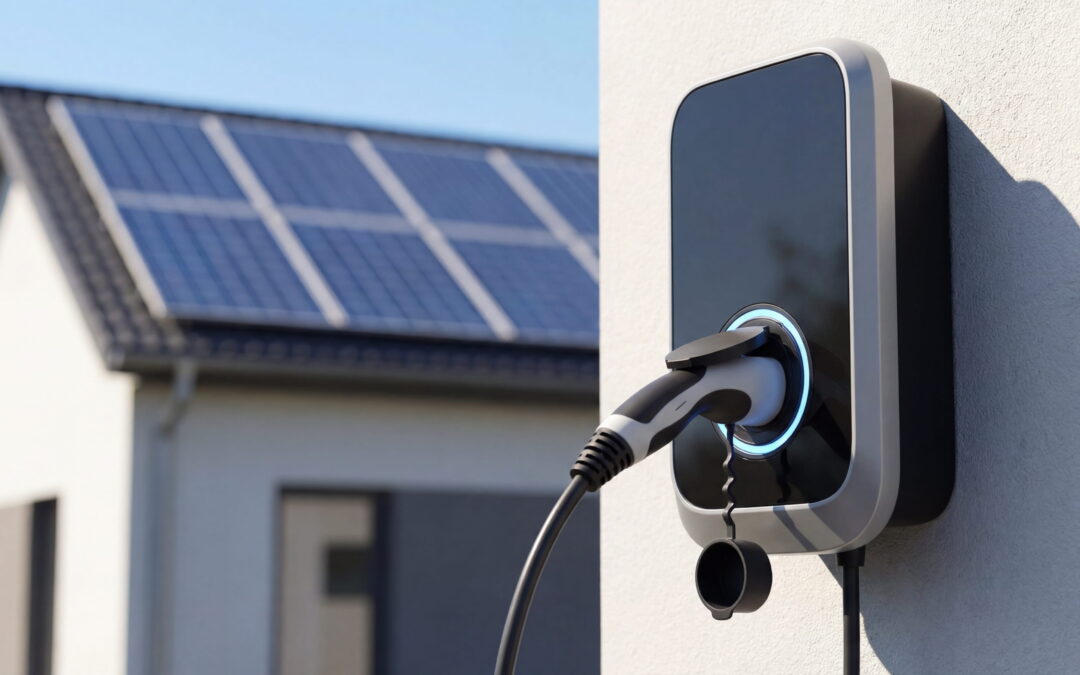
Beyond meeting today’s requirements, professional electricians can help prepare your property for future electrical needs, such as:
- EV chargers
- Smart home technology
- Additional appliances
- Commercial equipment expansions
Keep Your Renovation On Track With Table Mountain Electric
Electrical code violations are one of the most common causes of renovation delays, failed inspections, and unexpected project costs. Whether you’re remodeling a kitchen, finishing a basement, upgrading a commercial space, or planning a full property renovation, ensuring code compliance from the beginning can save time, money, and frustration.
At Table Mountain Electric, our licensed electricians help homeowners and businesses throughout the Denver Metro Area identify potential issues, perform code-compliant upgrades, and keep renovation projects moving smoothly. From panel upgrades and wiring corrections to full electrical remodel support, we’re here to help every step of the way.
Request a free quote today to schedule an electrical evaluation and ensure your renovation is built on a safe, compliant foundation.

Table Mountain Electric
Table Mountain Electric Inc. is Denver’s trusted name in premier electrical solutions. From essential services such as electrical panel upgrades and panel replacements to intricate kitchen wiring for your renovation needs, our expertise shines through in every project.