For a general contractor, the quality of your subcontractors can make or break a project. A reliable electrical subcontractor keeps work moving, communicates clearly, passes inspections, and coordinates well with other trades. An unreliable one can create delays, failed inspections, rework, and frustrated clients.
Electrical work is especially important because it touches nearly every phase of a residential construction or remodeling project. From rough-in and panel work to lighting, appliance circuits, and final trim, the electrical scope must align with framing, plumbing, HVAC, drywall, cabinetry, and inspections.
So, what should a general contractor look for when choosing an electrical subcontractor? Here are the qualities that matter most.
Licensing, Insurance, and Code Knowledge
The first thing to verify is whether the electrical subcontractor is properly licensed and insured for the work they perform.
This is more than a paperwork issue. Licensed electricians are expected to understand current electrical codes, permitting requirements, and safe installation practices. That matters when you are trying to keep a project compliant and avoid failed inspections.
A qualified electrical subcontractor should be able to confidently handle:
- Permit requirements
- Load calculations
- Service and panel sizing
- Circuit requirements
- Grounding and bonding
- GFCI and AFCI protection
- Inspection preparation
Insurance is equally important. General contractors should confirm that subcontractors carry appropriate liability coverage and any other required insurance before work begins.
For Denver-area projects, local code familiarity is a major advantage. A subcontractor who regularly works throughout Denver and surrounding communities is more likely to understand local expectations, permitting workflows, and inspection requirements.
Experience With the Type of Project You Manage
Not every electrician is experienced in every type of construction. A service electrician who primarily handles small residential repairs may not be the best fit for a full gut remodel or new construction project. Likewise, a contractor focused on large commercial work may not be the right fit for detailed residential remodeling.
Look for an electrical subcontractor with direct experience in projects such as:
- Basement remodels
- Pop-top additions
- Home additions
- New residential construction
- Complete home remodels
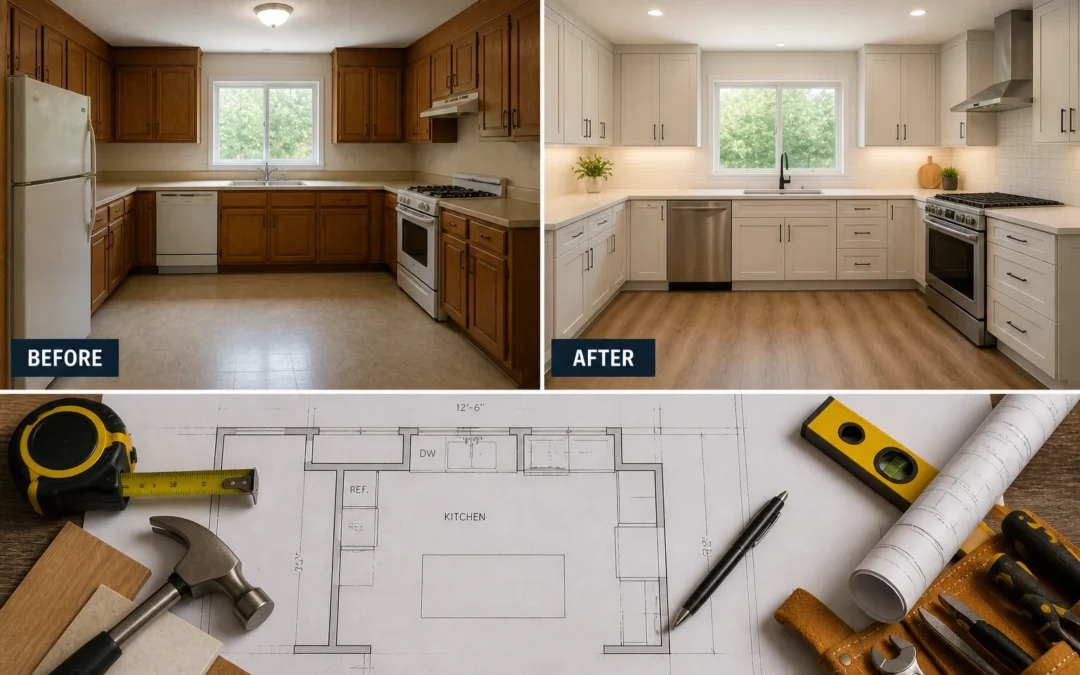
- Kitchen and bathroom renovations
- Whole-home rewiring
This kind of experience matters because electrical work has to be coordinated with the construction sequence.
For example, on a home taken down to the studs, the electrical subcontractor needs to understand when rough-in happens, how framing affects device placement, how HVAC and plumbing routes intersect with wiring, and when inspections must be completed before insulation and drywall can move forward.
Reliability and Scheduling
One of the most important qualities in an electrical subcontractor is simple: they show up when they say they will.
General contractors already manage enough moving parts. Electrical delays can hold up:
- Insulation
- Drywall
- Cabinet installation
- Finish work
- Inspections
- Final turnover
That makes reliability a direct project-management issue.
Before choosing a subcontractor, ask how they handle scheduling and whether they have the staffing capacity to support your project volume.
A dependable electrical partner should communicate proactively if schedules change rather than leaving the GC to chase down updates.
Strong subcontractors also understand milestone-based scheduling. They know the difference between rough-in, trim-out, final inspection, and punch-list work, and they plan labor accordingly.
Clear Communication With the GC and Other Trades
Construction projects move quickly, and problems are easier to solve when everyone communicates well.
A strong electrical subcontractor should be comfortable communicating with:
- General contractors
- Project managers
- Homeowners
- Inspectors
- HVAC contractors
- Plumbers
- Framers
- Cabinet installers
- Other subcontractors
This is especially important during remodels, where plans can change once walls are opened.
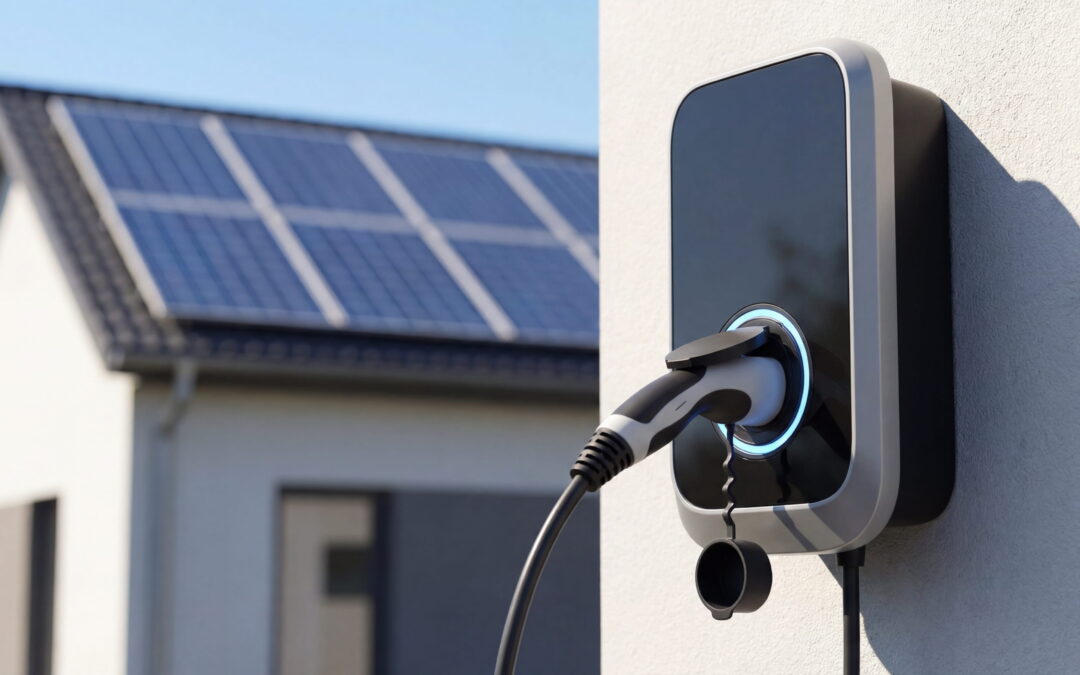
Maybe a structural change moves a wall. Maybe the kitchen layout changes. Maybe the homeowner adds an induction range or EV charger midway through the project. A good electrical subcontractor identifies how those changes affect wiring, circuits, panel capacity, and schedule, and communicates those impacts quickly.
Accurate Estimating and Scope Definition
A low bid can be tempting, but the cheapest number is not always the lowest-cost subcontractor.
An incomplete electrical estimate can create:
- Change orders
- Schedule delays
- Scope disputes
- Unexpected material costs
- Client frustration
A professional electrical subcontractor should provide a clear scope that identifies what is included and what may be excluded.
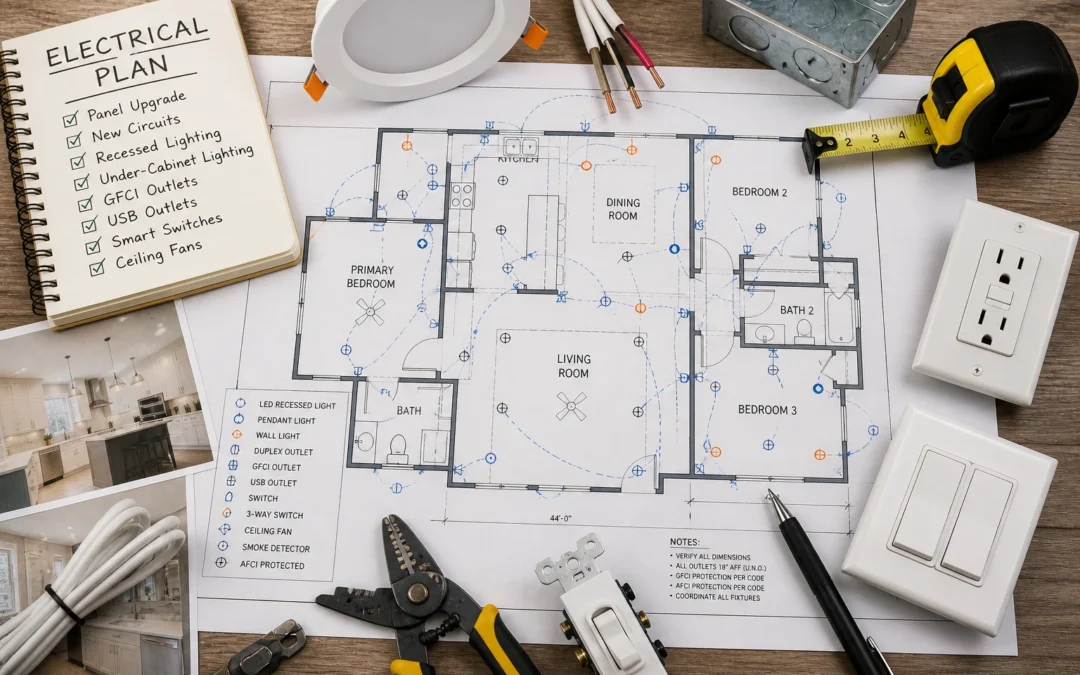
For larger residential projects, the estimate may address:
- Service size
- Electrical panel work
- Number of circuits
- Lighting rough-in
- Receptacles and switches
- Appliance circuits
- Low-voltage coordination
- Exterior electrical
- Permit responsibilities
- Fixture installation
Clear estimating makes it easier for the GC to price the overall project accurately and manage client expectations. If anything changes later, the subcontractor should also clearly document the added scope before proceeding.
Quality of Electrical Work
Good workmanship matters long after the walls are closed. An electrical subcontractor should consistently deliver organized, professional work that is easy to inspect and maintain.
Quality indicators include:
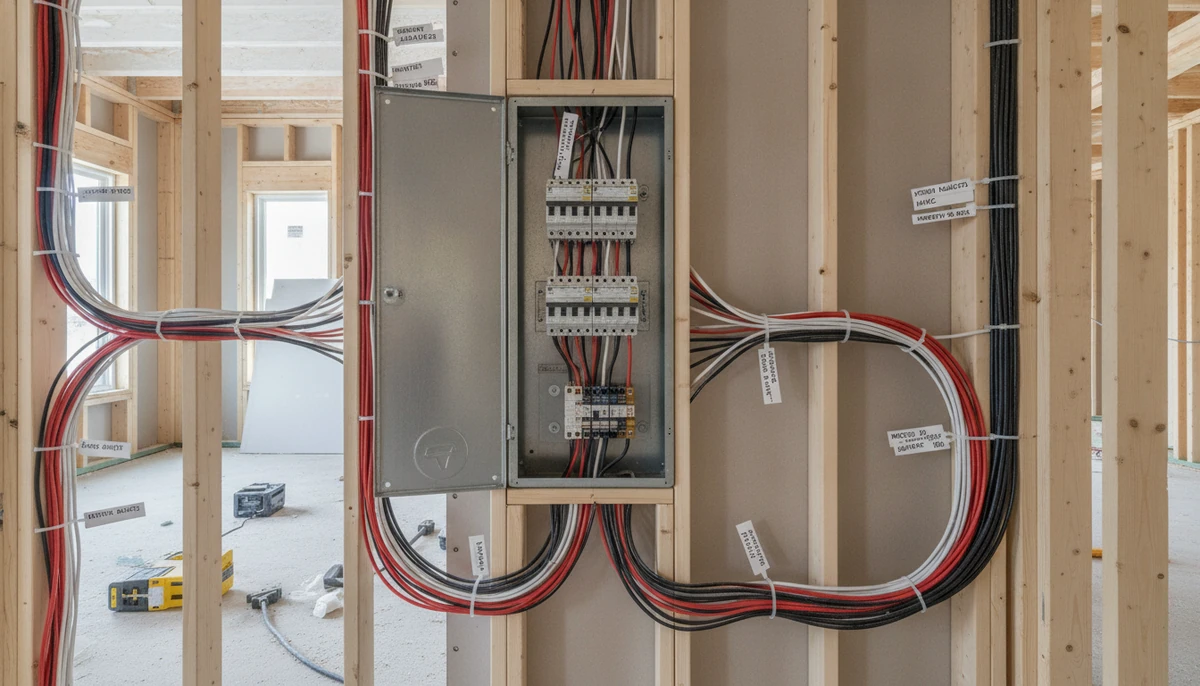
- Clean wire routing
- Properly secured cables
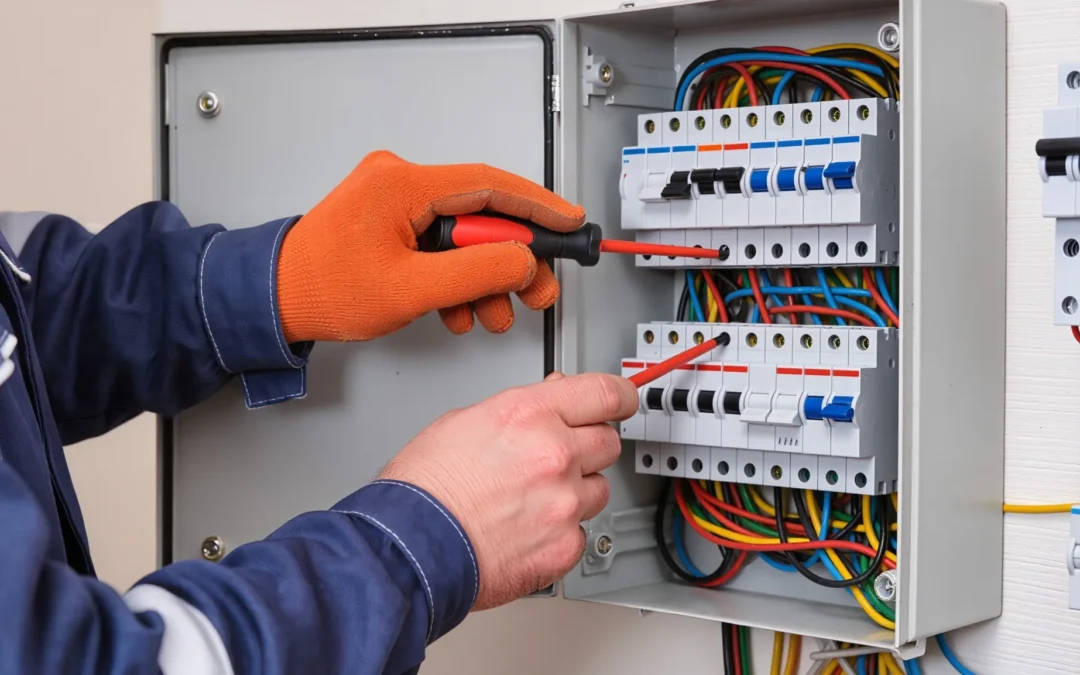
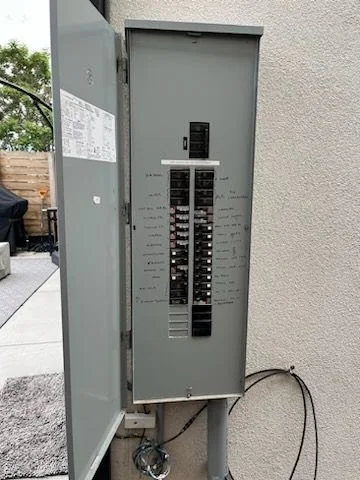
- Organized electrical panels
- Accurate circuit labeling
- Correct box placement
- Professional fixture installation
- Proper grounding and bonding
- Thorough testing before completion
Poor electrical workmanship may technically function at first, but still create future service problems or inspection issues.
For general contractors, quality matters because the homeowner associates every part of the project with your company, even when the work was completed by a subcontractor. Your trade partners are part of your reputation.
Ability to Coordinate Major Electrical Upgrades
Modern residential projects often include more electrical demand than homes did even a decade ago.
A qualified subcontractor should be comfortable planning for:
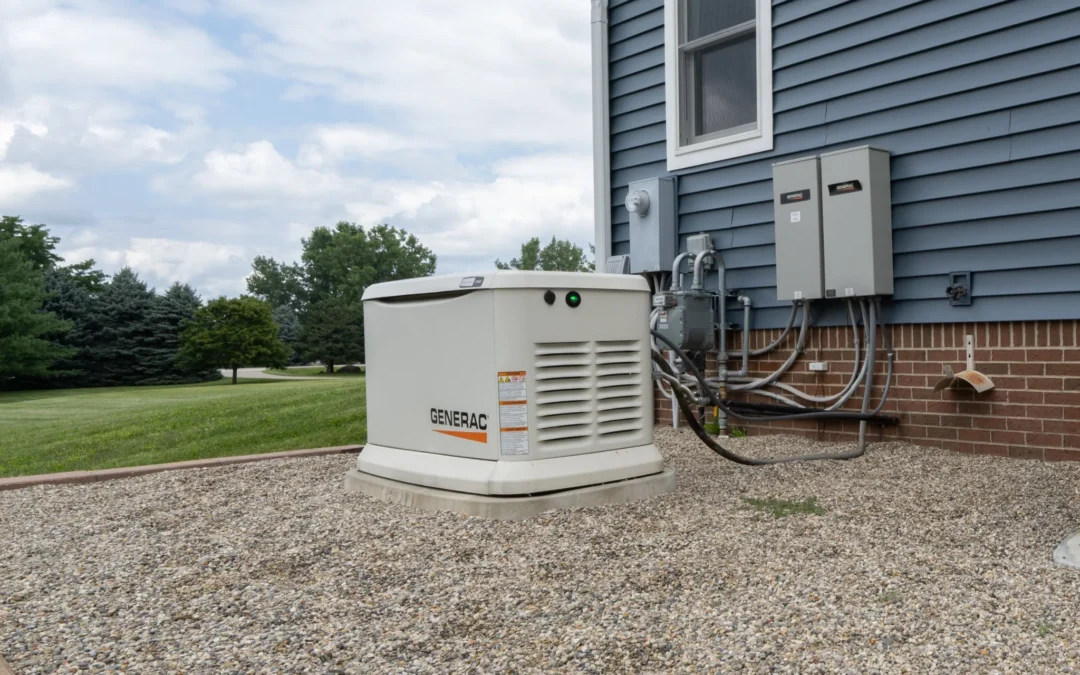
- 200-amp panel upgrades
- EV chargers
- High-demand kitchen appliances
- Electric HVAC equipment
- Hot tubs
- Smart home devices
- Additional circuits
- Future electrical expansion
Older Denver-area homes can make this especially important.
When a house is being completely remodeled, the electrical subcontractor should evaluate whether the existing service and panel make sense for the finished home rather than simply reconnecting the old system.
A proactive electrical partner can identify those issues during planning instead of discovering them halfway through construction.
Inspection Readiness
Failed inspections can derail a project schedule. A professional electrical subcontractor should understand what inspectors are looking for and prepare the work accordingly.
That includes ensuring:
- Boxes are properly placed
- Wiring is secured correctly
- Required protection is installed
- Panels are labeled
- Grounding and bonding are correct
- Required clearances are maintained
The goal is not simply to “pass inspection.” It is to install the system correctly so inspection becomes confirmation of quality rather than a troubleshooting exercise.
Professionalism on the Jobsite
Technical skill is important, but professionalism matters too. Electrical crews are often working inside occupied homes or alongside clients, designers, and other contractors.
Look for subcontractors whose crews:
- Arrive prepared
- Maintain organized work areas
- Respect the property
- Communicate professionally
- Clean up after themselves
- Follow site safety expectations
These details directly affect the homeowner’s perception of the project.
Look for a Long-Term Trade Partner
The best electrical subcontractor relationships go beyond a single job. When you find an electrician who understands your standards, schedules, preferred construction methods, and communication style, future projects become easier.
Instead of explaining expectations from scratch each time, you develop a repeatable working relationship.
That can lead to:
- Faster estimating
- Better scheduling
- Easier coordination
- Fewer mistakes
- More consistent project quality
For a general contractor, reliable subcontractor relationships are one of the foundations of sustainable growth.
Partner With Table Mountain Electric for Electrical Subcontracting
Table Mountain Electric provides professional electrical subcontracting services for general contractors, remodelers, and builders throughout the Denver Metro Area. Our licensed electricians support basement remodels, pop-tops, additions, new builds, complete home renovations, and projects where the property is taken down to the studs and the electrical system is rebuilt from the ground up.
We understand that GCs need more than electrical expertise. You need a subcontractor who communicates clearly, coordinates with other trades, respects the project schedule, and delivers code-compliant work you can confidently put your name behind.
If you’re looking for a reliable electrical subcontractor for an upcoming residential construction or remodeling project, request a quote today. We’re ready to become the electrical trade partner your team can rely on from rough-in through final inspection.

Table Mountain Electric
Table Mountain Electric Inc. is Denver’s trusted name in premier electrical solutions. From essential services such as electrical panel upgrades and panel replacements to intricate kitchen wiring for your renovation needs, our expertise shines through in every project.