Power outages can happen unexpectedly, whether they’re caused by severe weather, utility issues, equipment failures, or increased demand on the electrical grid. While some outages last only a few minutes, others can leave homeowners without power for hours or even days.
A backup generator can provide peace of mind by keeping essential systems running when the power goes out. However, installing a generator involves much more than simply purchasing equipment and plugging it in. Proper electrical planning ensures your generator operates safely, efficiently, and in compliance with electrical codes.
If you’re considering a backup generator for your Denver-area home, here’s what you need to know to prepare your electrical system and property before installation.
Why Homeowners Invest In Backup Generators
Backup generators have become increasingly popular as homeowners look for ways to protect their homes and families from unexpected power interruptions.
While a temporary outage may be inconvenient, longer outages can create significant challenges.
Protecting Essential Home Systems
Many homeowners rely on electricity for critical systems such as:
- Refrigerators and freezers
- Heating and cooling systems
- Medical equipment
- Sump pumps
- Well pumps
- Security systems
- Internet and communication devices
A backup generator helps ensure these systems remain operational during an outage.
Increased Comfort During Extended Outages
Without power, everyday activities quickly become difficult. Cooking, charging devices, running appliances, and maintaining comfortable indoor temperatures may become impossible.
A properly sized generator can help maintain normal household functions even when utility power is unavailable.
Peace Of Mind During Severe Weather
Colorado homeowners are no strangers to severe weather events, including heavy snowstorms, high winds, and spring thunderstorms. A backup generator provides confidence that your home can continue functioning when weather-related outages occur.
Protecting Your Home From Damage
Power outages can sometimes lead to costly property damage. For example:
- Frozen pipes during winter outages
- Flooded basements due to inoperable sump pumps
- Food spoilage from non-functioning refrigerators
A backup generator helps reduce these risks.
Choosing The Right Generator Size
One of the most important decisions you’ll make is selecting the appropriate generator size.
Many homeowners assume bigger is always better, but generator sizing should be based on your home’s actual electrical needs.
Whole-House Vs Essential-Circuit Generators
There are generally two approaches to backup power:
Whole-House Generators
These systems can power nearly all electrical loads throughout the home, including:
- HVAC systems
- Appliances
- Lighting
- Electronics
- Water heaters
Whole-house generators provide maximum convenience but require larger equipment and a greater investment.
Essential-Circuit Generators
These systems are designed to power only critical loads, such as:
- Refrigerators
- Furnaces
- Medical devices
- Internet equipment
- Selected lighting circuits
This approach often reduces installation costs while still providing reliable backup power.
Understanding Electrical Load Requirements
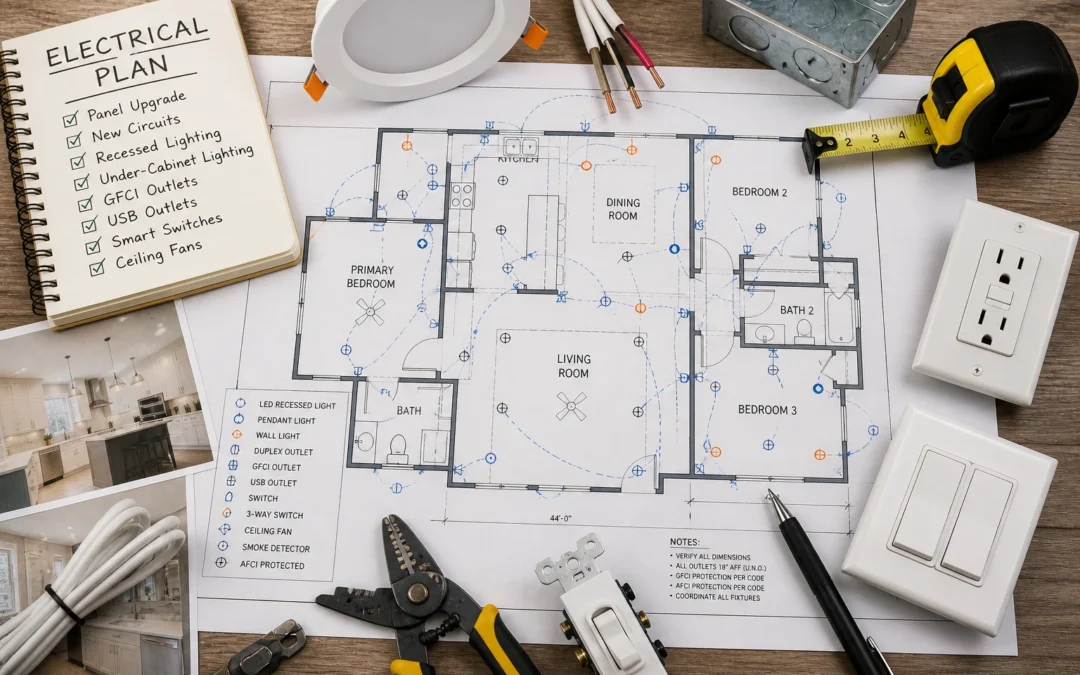
A licensed electrician will perform a load calculation to determine:
- Total electrical demand
- Starting wattage requirements
- Running wattage requirements
- Future expansion needs
This ensures the generator can handle the necessary load without becoming overloaded.
Planning For Future Needs
Even if you don’t currently have major electrical demands, consider future additions such as:
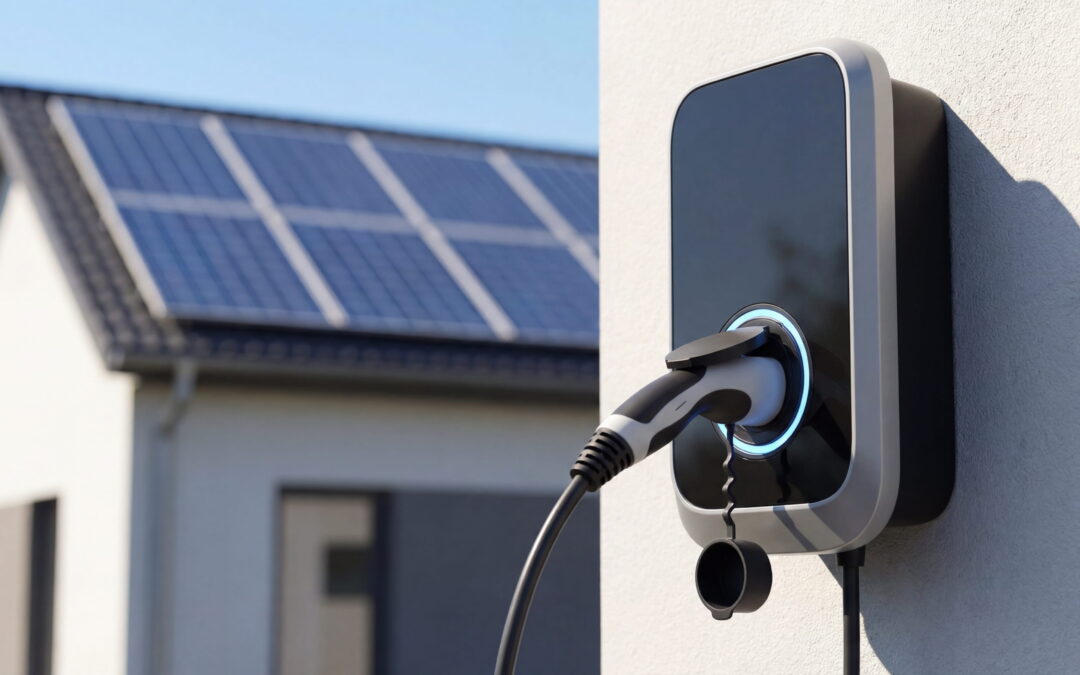
- EV chargers
- Home additions
- Hot tubs
- Basement finishes
- Electric appliances
Choosing a generator with some additional capacity may help avoid upgrades later.
Electrical Requirements For Generator Installation
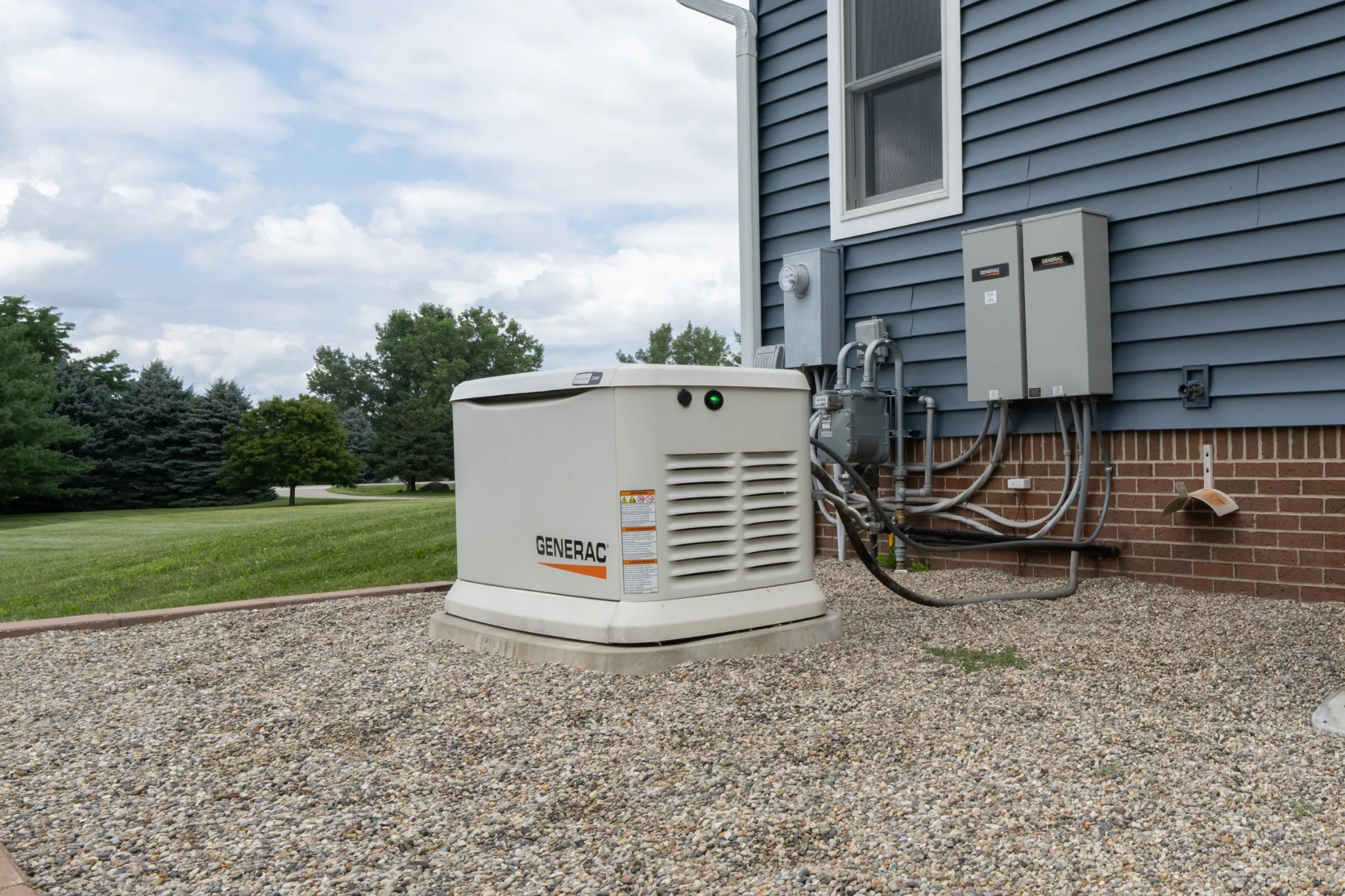
A backup generator must integrate properly with your home’s electrical system to operate safely and effectively.
Transfer Switch Installation
One of the most important components of any generator system is the transfer switch.
The transfer switch:
- Disconnects your home from utility power during an outage
- Connects generator power safely
- Prevents dangerous backfeeding into utility lines
Automatic transfer switches can detect outages and start the generator automatically, while manual transfer switches require homeowner intervention.
Electrical Panel Evaluation
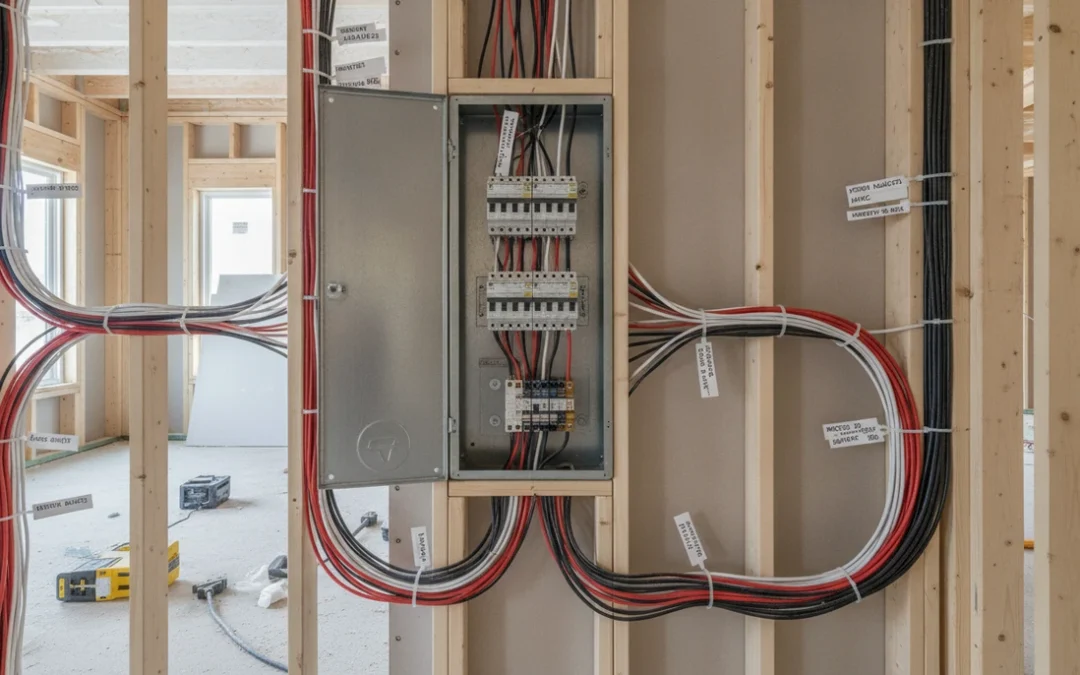
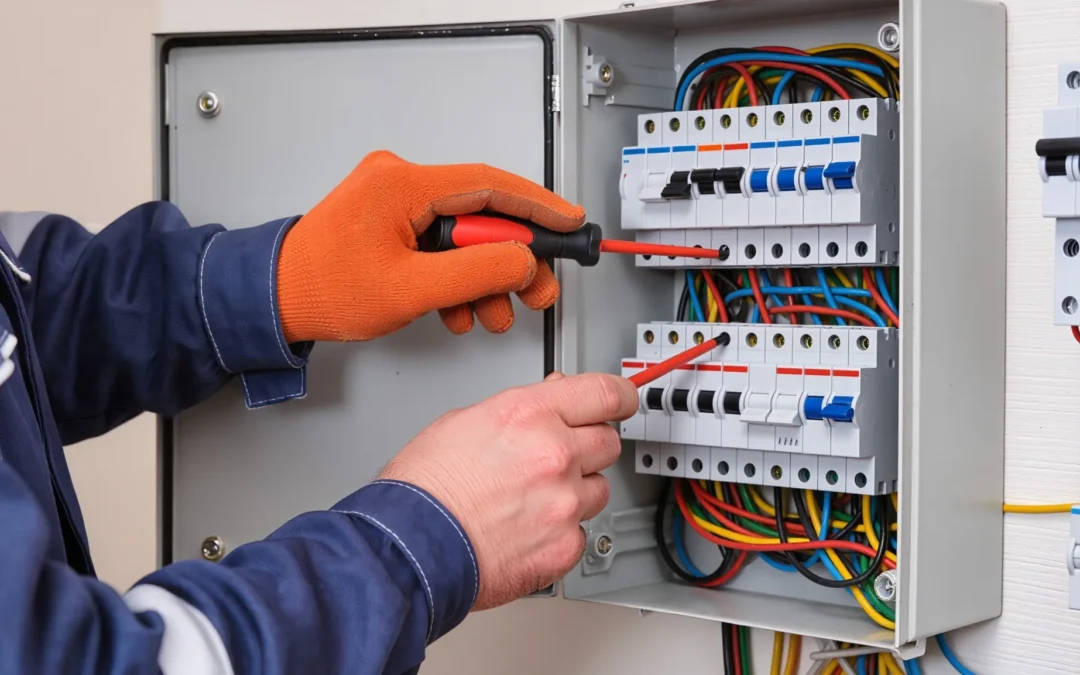
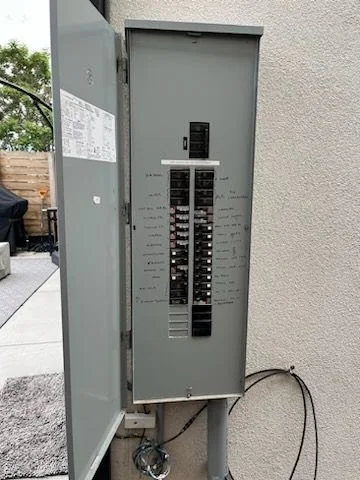
Before installation, your electrician will assess your electrical panel to determine:
- Available capacity
- Overall condition
- Compatibility with generator equipment
Older panels may require upgrades before generator installation can proceed.
Dedicated Generator Circuits
Depending on the system design, certain circuits may be designated as priority loads. These circuits receive power first during an outage and typically include:
- Refrigeration
- Heating systems
- Lighting
- Essential outlets
Proper planning ensures the most important systems remain operational.
Fuel Source Considerations
Backup generators typically operate using:
- Natural gas
- Propane
- Diesel
The available fuel source affects generator sizing, installation requirements, and operating costs.
Safety & Code Considerations
Generator installation involves significant electrical and safety requirements that must be addressed properly.
Preventing Backfeeding
Backfeeding occurs when generator power flows backward into utility lines.
This creates serious hazards for:
- Utility workers
- Emergency responders
- Neighboring properties
Proper transfer switch installation prevents this dangerous condition.
Proper Ventilation And Placement
Generators produce exhaust gases, including carbon monoxide.
For safety, generators must be installed:
- Outdoors
- Away from doors and windows
- According to manufacturer’s clearance requirements
- In compliance with local building codes
Improper placement can create serious health risks.
Grounding And Bonding Requirements
Generators must be properly grounded and bonded to ensure:
- Safe operation
- Fault protection
- Code compliance
These requirements vary depending on the generator configuration and electrical system.
Permits And Inspections
Most generator installations require permits and inspections.
Permits help verify that:
- Electrical work meets code
- Fuel connections are safe
- Equipment is installed properly
Working with a licensed electrician helps ensure the permitting process goes smoothly.
Noise Considerations
While modern standby generators are quieter than older models, noise can still be a factor.
Proper placement helps minimize sound levels while maintaining safe clearances.
Professional Generator Installation Vs DIY
Some homeowners may consider installing a backup generator themselves, particularly with portable units. However, permanently installed standby generators are complex electrical systems that should be handled by professionals.
Why Generator Installation Is Not A Typical DIY Project
Generator systems involve:
- High-voltage electrical connections
- Electrical panel modifications
- Transfer switch installation
- Fuel line connections
- Code compliance requirements
Mistakes can result in:
- Electrical fires
- Equipment damage
- Carbon monoxide hazards
- Failed inspections
Benefits Of Professional Installation
Working with a licensed electrician provides several advantages.
Proper System Sizing
Professionals perform accurate load calculations to ensure your generator is correctly sized for your home.
Safe Electrical Integration
Licensed electricians ensure all wiring, transfer switches, and panel connections are installed correctly.
Code Compliance
Professionals understand local building requirements and help ensure your system passes inspection.
Long-Term Reliability
A properly installed generator is more likely to operate when you need it most.
Manufacturer Warranty Protection
Many generator manufacturers require professional installation to maintain warranty coverage.
Ongoing Maintenance Matters
Even after installation, backup generators require periodic maintenance to remain reliable.
This may include:
- Oil changes
- Battery inspections
- Fuel system checks
- Load testing
- General inspections
Professional maintenance helps ensure your generator performs properly during an actual outage.
Prepare Your Home With Confidence
A backup generator can be one of the most valuable investments you make in your home’s safety, comfort, and resilience. However, proper preparation is critical. From choosing the right generator size to ensuring your electrical system is ready for installation, planning ahead helps maximize performance and minimize future issues.
At Table Mountain Electric, we help homeowners throughout the Denver Metro Area prepare for backup power with professional electrical evaluations, panel upgrades, transfer switch installations, and generator-ready electrical systems. Whether you’re considering a whole-house standby generator or a system designed to power essential circuits, our licensed electricians can help you find the right solution for your home.
Call (720) 741-7144 or request a free quote today to learn how Table Mountain Electric can help keep your home powered when it matters most.

Table Mountain Electric
Table Mountain Electric Inc. is Denver’s trusted name in premier electrical solutions. From essential services such as electrical panel upgrades and panel replacements to intricate kitchen wiring for your renovation needs, our expertise shines through in every project.