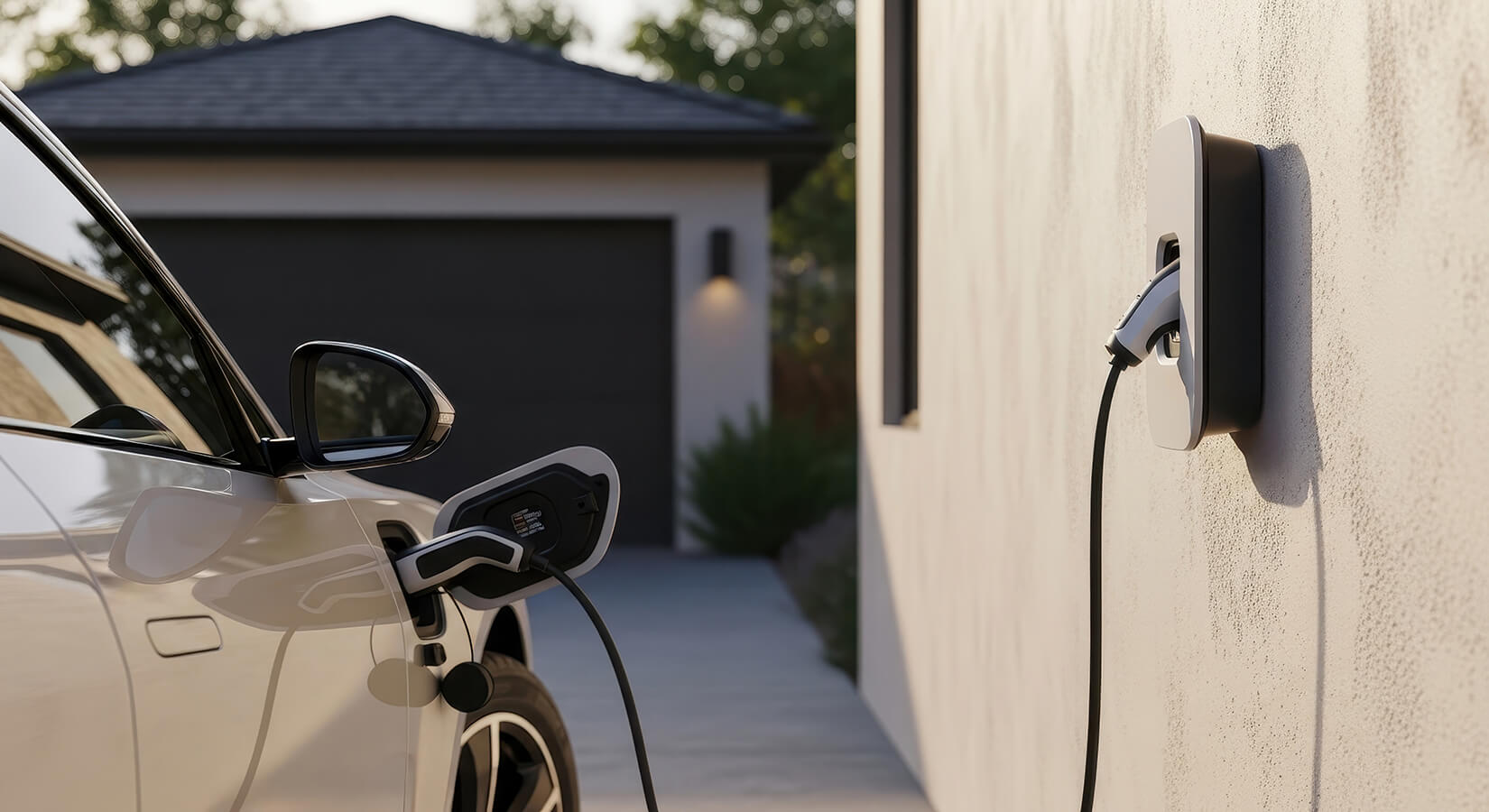
Electric vehicles (EVs) are no longer just the future. They’re the present. As more drivers in Colorado make the switch to cleaner transportation, Level 2 home EV chargers have become one of the most popular upgrades for homeowners.
But before you can enjoy the convenience of charging your EV overnight in your own garage, one key question arises: how much does it cost to install a Level 2 charger at home?
Let’s break down what goes into that cost, what you can expect to pay, and why hiring a licensed electrician is essential for a safe, reliable installation.
What Is a Level 2 EV Charger?
EV chargers come in three main types:
- Level 1 chargers: Plug into a standard 120-volt household outlet. They’re slow, typically adding 3–5 miles of range per hour.
- Level 2 chargers: Use a 240-volt circuit (like an electric dryer or oven). These deliver 20–30 miles of range per hour.
- Level 3 chargers (DC Fast Chargers): Found at commercial stations; not practical for most residential homes.
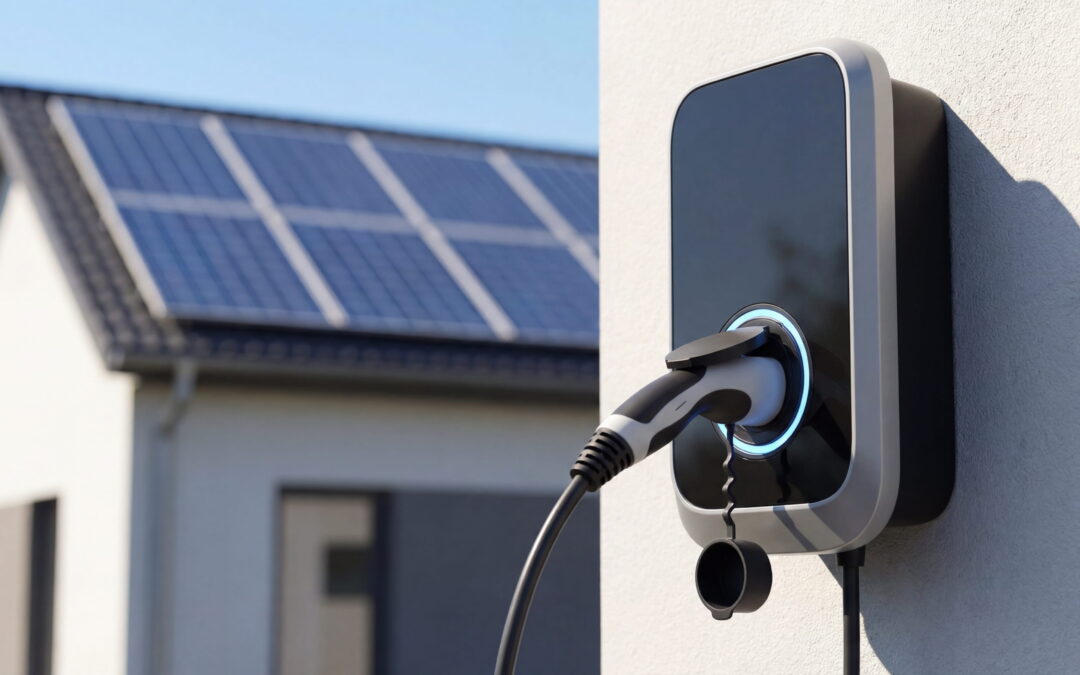
A Level 2 EV charger is the sweet spot for homeowners. It’s fast, efficient, and compatible with most EVs. You can fully charge your car overnight. No waiting, no public charging hassles.
Average Cost to Install a Level 2 Home EV Charger
The total cost to install a Level 2 charger at home generally ranges between $700 and $2,500.
Here’s how that breaks down:
| Cost Component | Average Range |
| Charger unit | $400 – $800 |
| Electrical labor | $500 – $1,500 |
| Permits and inspection | $50 – $200 |
| Panel upgrades (if needed) | $3,000 – $5,000 (additional) |
Your final cost depends on several factors, most notably your home’s electrical system, the distance from the panel, and the desired charger location.
Factors That Affect EV Charger Installation Cost
1. Existing Electrical Panel Capacity
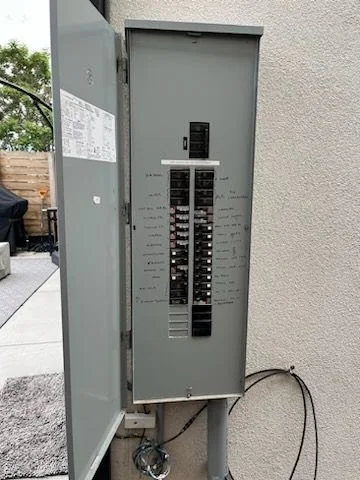
A Level 2 charger requires a dedicated 240-volt circuit. If your panel doesn’t have space or capacity, you may need an electrical panel upgrade, which adds to the overall cost but ensures safety and compliance with local codes.
2. Wiring Distance
If your garage or charging location is far from the main electrical panel, running new wiring will increase labor and material costs. Conduit, wall drilling, and trenching for detached garages can also impact the total.
3. Type of Charger (Hardwired vs. Plug-In)
- Hardwired chargers: More permanent, sleek installation, but slightly more expensive due to wiring directly into your electrical system.
- Plug-in chargers: Require a 240V outlet (NEMA 14-50), which can be more affordable if one already exists.
4. Permits and Local Regulations
Denver and surrounding Colorado cities require electrical permits for EV charger installation. A licensed electrician handles this process, ensuring everything meets National Electrical Code (NEC) and local standards.
5. Labor Costs
Labor makes up a significant portion of installation costs. Hiring a licensed electrician in Denver ensures your charger is properly grounded, safely wired, and fully compliant, saving you money (and headaches) down the road.
Optional Add-Ons and Upgrades
Beyond basic installation, homeowners may choose additional enhancements for convenience or efficiency:
- Smart charging systems that connect to Wi-Fi for monitoring and scheduling ($100–$300 extra)
- Load management systems for balancing power between appliances and chargers
- Outdoor-rated chargers for driveway installations
- Dedicated circuits or surge protection for added safety
These upgrades can increase cost slightly but often pay off in long-term reliability and energy savings.
EV Charger Incentives and Rebates in Colorado
Colorado offers several rebates and incentives to make EV charger installation more affordable:
- Xcel Energy EV Charger Rebate – Up to $500 for qualified residential Level 2 installations.
- Federal Tax Credit (IRS 30C) – 30% of hardware and installation costs, up to $1,000 for residential chargers.
- State and Local Programs – Some municipalities offer additional rebates or property tax benefits for EV infrastructure.
Combining these incentives can significantly reduce your out-of-pocket expenses, sometimes by as much as 40%.
Why Hire a Licensed Electrician for EV Charger Installation?
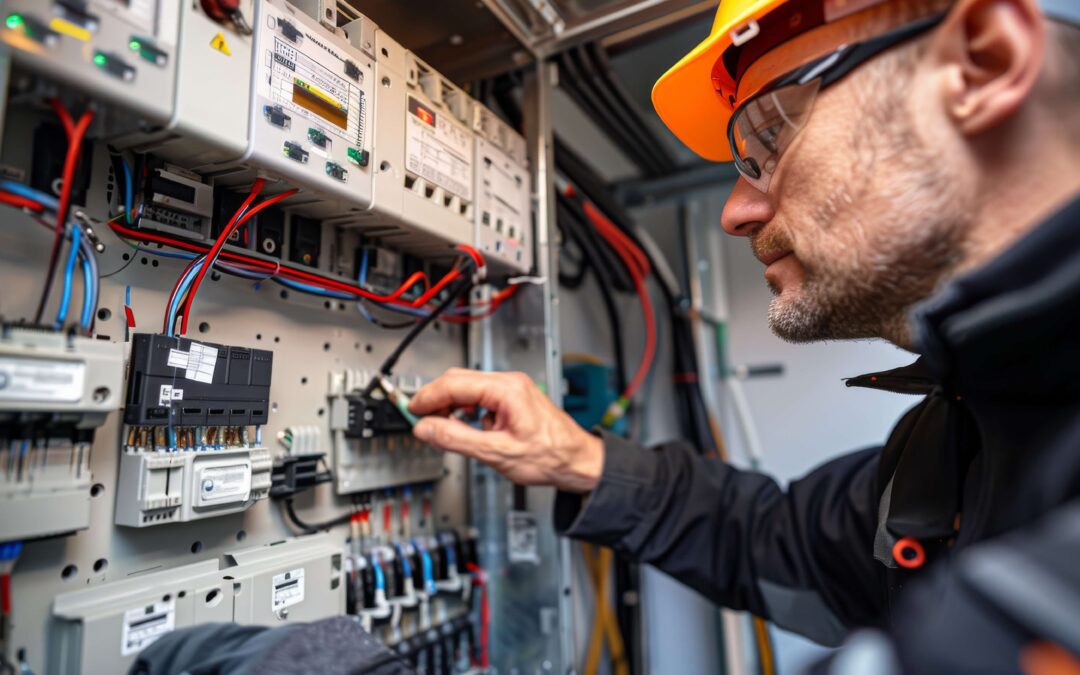
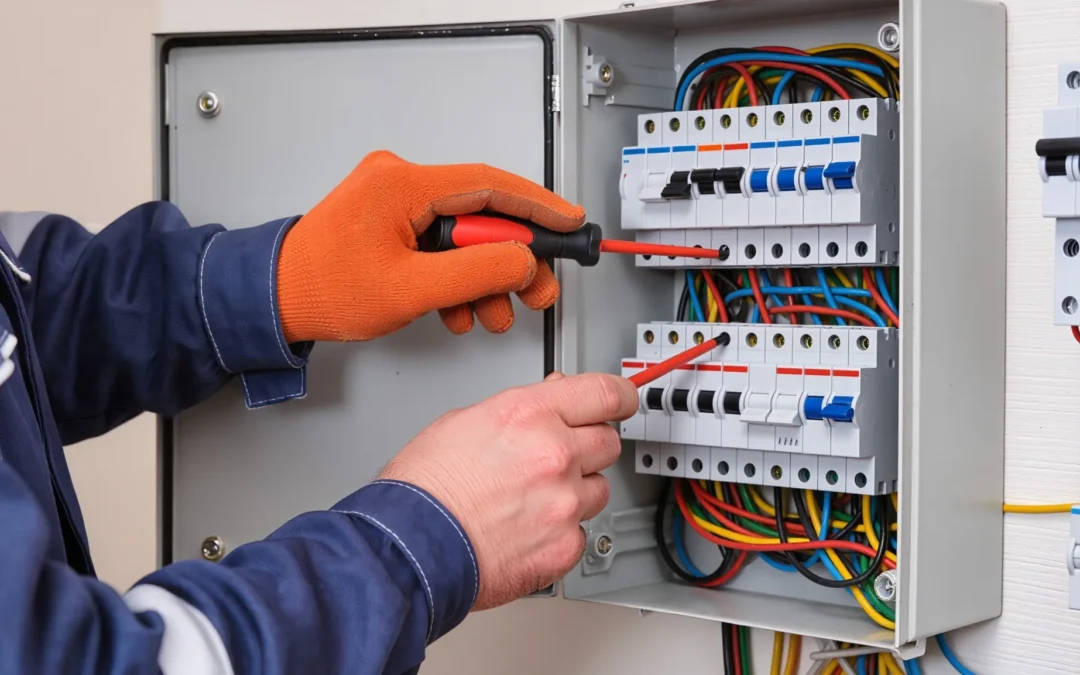
While DIY electrical projects may seem tempting, EV charger installation is not a plug-and-play upgrade. It requires professional knowledge of:
- Electrical load calculations
- Proper breaker sizing
- Code-compliant conduit and wire installation
- GFCI and AFCI protection
- Grounding and bonding requirements
A licensed electrician ensures:
- Your system meets local code and manufacturer requirements
- You avoid voiding your charger’s warranty
- Safe, efficient, and long-lasting operation
At Table Mountain Electric, all installations are handled by licensed, insured electricians who specialize in EV charger installations throughout Denver and the surrounding metro area.
Is a Level 2 Charger Worth It?
If you drive an EV daily, absolutely. Compared to relying on public charging stations or a Level 1 outlet, a Level 2 charger offers:
- 4–6x faster charging
- Convenience of charging overnight at home
- Increased property value for EV-ready homes
- Lower charging costs over time
Think of it as an investment in both your vehicle and your home’s future.
Preparing for Your Installation
Before your installation day, consider these simple steps:
- Choose your charger model – Your electrician can recommend compatible brands like ChargePoint, JuiceBox, or Emporia.
- Pick the location – Ideally near your parking area, with easy cable access to your vehicle.
- Schedule a site assessment – A licensed electrician can evaluate your home’s wiring, panel capacity, and placement.
- Review permit requirements – Most Denver-area projects require a local permit before installation.
Power Up Safely with Table Mountain Electric
Installing a Level 2 EV charger is one of the best upgrades you can make for your home: convenient, eco-friendly, and future-proof.
At Table Mountain Electric, our experienced, licensed electricians make the process simple from start to finish. We handle everything: site assessment, permitting, installation, and testing, so you can charge confidently at home. Book your free EV charger estimate online to get started.
Table Mountain Electric
Table Mountain Electric Inc. is Denver’s trusted name in premier electrical solutions. From essential services such as electrical panel upgrades and panel replacements to intricate kitchen wiring for your renovation needs, our expertise shines through in every project.