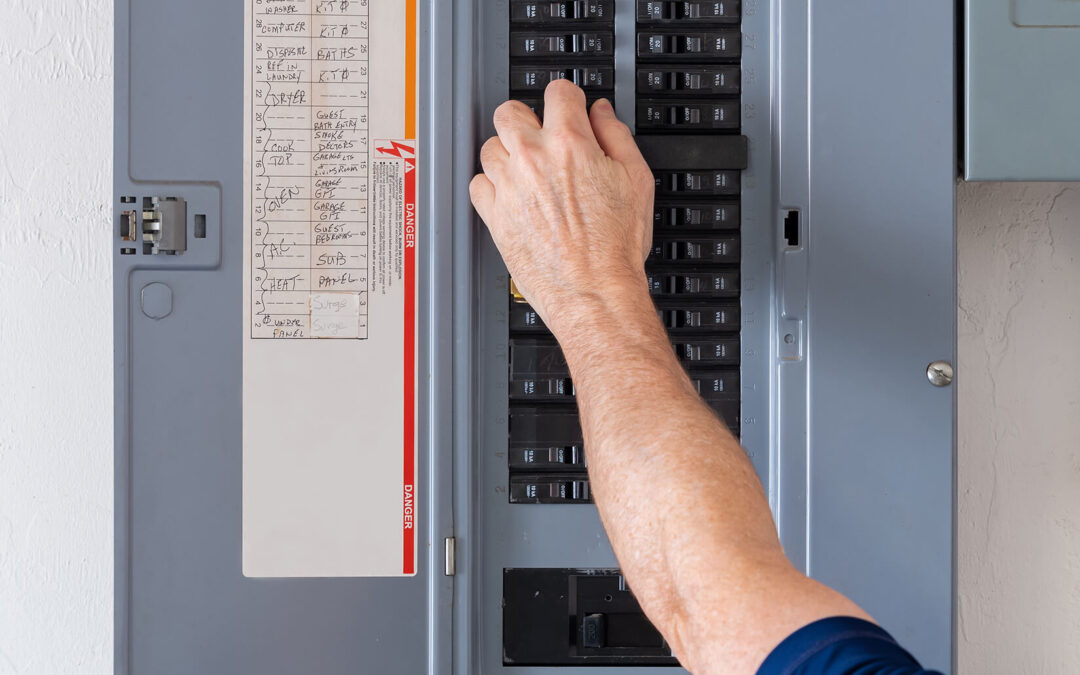

You plug in the coffee maker, turn on the microwave, and suddenly half the kitchen goes dark. You head to the electrical panel, find the tripped breaker, reset it, and everything seems fine again. But when the same circuit breaker keeps tripping, it may be telling you something important about your home’s electrical system.
Circuit breakers are safety devices. They’re designed to interrupt power when they detect electrical conditions that could damage wiring, appliances, or other components. While an occasional trip doesn’t necessarily mean you have a major electrical problem, repeated trips shouldn’t be ignored.
For those needing electrical repair in Denver and surrounding communities, frequent breaker trips can be particularly important to investigate in older homes where electrical systems may not have been designed for today’s power demands.
Here’s what could be causing your breaker to trip and when it’s time to bring in a licensed electrician.
What Does a Tripped Breaker Mean?
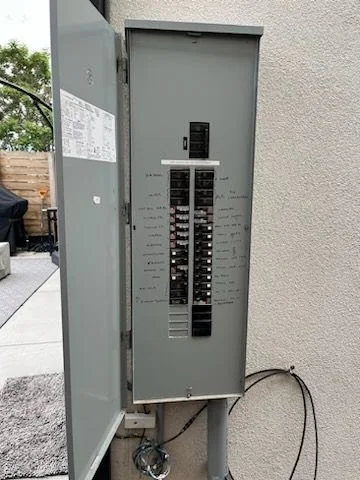
Your electrical panel distributes electricity throughout your home using individual circuits. Each circuit is protected by a breaker designed to shut off electricity when certain unsafe conditions occur.
Think of the breaker as a protective checkpoint. If electrical current exceeds what the circuit can safely handle or the system detects another type of fault, the breaker interrupts power.
A breaker may trip because of:
- A circuit overload
- A short circuit
- A ground fault
- A problem with an appliance
- Damaged or deteriorating wiring
- A failing circuit breaker
Resetting the breaker restores power, but it doesn’t necessarily correct the underlying problem. If the breaker continues tripping, figuring out why should be the priority.
Circuit Overloads
An overloaded circuit is one of the most common reasons a circuit breaker trips. Every circuit is designed to carry a limited electrical load. When too many devices draw electricity from the same circuit simultaneously, the electrical demand can exceed that limit. The breaker trips to prevent the wiring from overheating.
For example, you might have a microwave, toaster, coffee maker, and air fryer plugged into outlets served by the same circuit. Running several of them simultaneously could overload it.
Older Denver-area homes can be particularly susceptible to overloaded circuits. Homes built decades ago weren’t designed around today’s number of computers, entertainment systems, kitchen appliances, portable electronics, and other electrical devices.
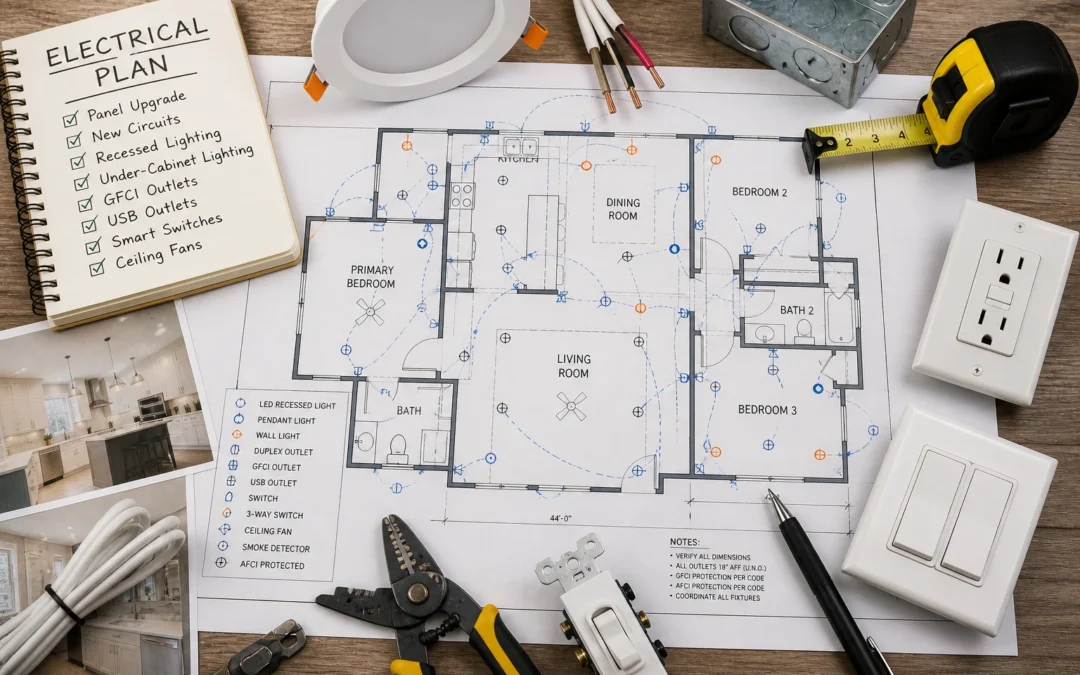
If moving appliances to different circuits solves the problem, an overload may be the culprit. However, frequent overloads can also indicate that your home needs additional circuits or other electrical upgrades.
Short Circuits
A short circuit is generally more serious than a simple overload.
Short circuits occur when electrical current travels along an unintended path with very little resistance. This can cause a sudden increase in current, prompting the breaker to trip quickly.
Potential causes include:
- Damaged electrical wiring
- Loose connections
- Damaged outlets or switches
- Faulty appliances
- Deteriorating wire insulation
You might also notice other warning signs, including a burning odor, discoloration around an outlet, or signs of heat damage.
Because short circuits can create significant heat and increase the risk of an electrical fire, they should be investigated by a licensed electrician rather than repeatedly resetting the breaker.
Ground Faults
A ground fault occurs when electricity takes an unintended path to ground. These faults are particularly concerning because they can create an electrical shock hazard.
Ground-fault protection is especially important in areas where electricity may come into contact with moisture, including:
- Kitchens
- Bathrooms
- Garages
- Laundry areas
- Basements
- Outdoor locations
You’ve probably seen GFCI outlets with “Test” and “Reset” buttons in some of these areas. Ground Fault Circuit Interrupters are designed to quickly shut off electricity when they detect certain differences in current that can indicate a ground fault.
If a breaker or GFCI device repeatedly trips, don’t simply assume the device is being overly sensitive. There could be a problem with an appliance, outlet, wiring, or circuit that needs attention.
Problems With Appliances
Sometimes the electrical system isn’t the source of the problem at all. A malfunctioning appliance can cause a breaker to trip.
Appliances contain wiring and electrical components that can deteriorate over time. When something fails internally, it may cause an overload, short circuit, or ground fault.
Common culprits can include:
- Refrigerators
- Microwaves
- Dishwashers
- Washing machines
- Dryers
- Space heaters
- Window air conditioners
- Garbage disposals
Pay attention to when the breaker trips. If it happens every time you turn on one particular appliance, that appliance may need to be evaluated.
Large appliances may also require dedicated circuits. If a high-demand appliance shares a circuit with several other devices, the issue may be the circuit design rather than the appliance itself.
Signs the Breaker May Be Failing
Circuit breakers don’t last forever. Age, repeated tripping, heat, and normal wear can eventually affect their performance.
Possible signs of a failing breaker include:
- A breaker that won’t stay reset
- A breaker that feels unusually hot
- Visible discoloration or damage
- A burning smell around the electrical panel
- Buzzing or unusual sounds
- Power problems even when the circuit isn’t heavily loaded
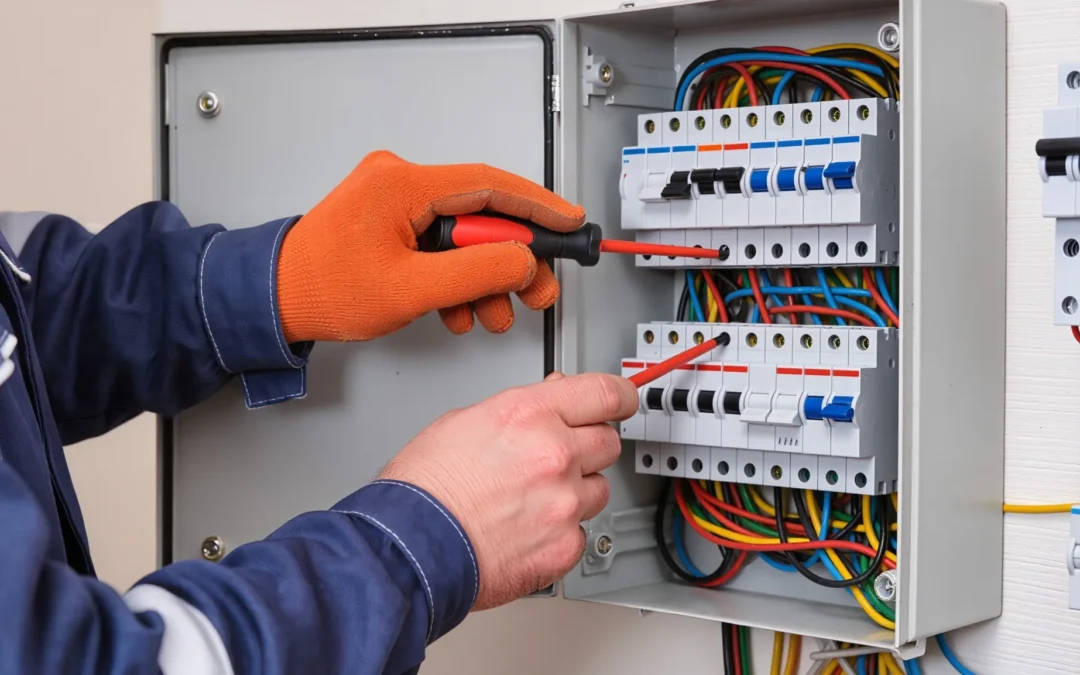
Your electrical panel itself can also become outdated. If you live in an older home or your electrical system hasn’t been evaluated in many years, an electrician can inspect the panel and determine whether individual breaker replacement or repair, or a larger electrical panel upgrade, should be considered.
Never remove the panel cover or attempt to replace breakers yourself unless you’re properly qualified. Dangerous voltage can remain present inside an electrical panel even when individual breakers are turned off.
Why You Should Not Keep Resetting It
It’s easy to view a tripped breaker as an inconvenience. Flip it back on, restore power, and get on with your day.
But a breaker that repeatedly trips is doing its job.
Continually resetting it without identifying the cause can allow an underlying electrical problem to remain unresolved. Depending on the problem, that could mean continuing to operate an overloaded circuit, damaged wiring, or faulty appliance.
Instead, consider what was happening immediately before the trip. Did you turn on a particular appliance? Were several high-demand devices operating simultaneously? Is the breaker suddenly tripping even though nothing has changed?
If a breaker trips again immediately after being reset, leave it off and contact an electrician.
If you notice smoke, sparks, burning odors, significant heat, or visible electrical damage, don’t continue using the affected circuit.
When to Call a Licensed Electrician
Some breaker trips have straightforward explanations. If you plug several high-wattage appliances into the same circuit and the breaker trips once, reducing the load may solve the immediate problem.
Repeated or unexplained trips deserve professional attention.
Consider calling a licensed electrician if:
- The same breaker repeatedly trips
- The breaker won’t reset
- You smell something burning
- Your panel or outlets feel unusually warm
- Lights flicker or dim frequently
- You hear buzzing or crackling
- Outlets show discoloration or scorch marks
- Your home has older wiring or an outdated electrical panel
- Breakers began tripping after adding a new appliance
- You’re unsure what’s causing the problem
A professional electrician can inspect the circuit, test connections, evaluate appliances and determine whether your electrical panel has enough capacity for your home’s current power demand.
At Table Mountain Electric, we provide residential electrical troubleshooting, repairs, circuit installation, wiring services, and electrical panel upgrades throughout the Denver Metro Area. If a breaker keeps tripping, we’ll help identify the underlying cause and recommend an appropriate solution rather than simply treating the symptom. Reach out to us today.
FAQs
Is It Safe to Reset a Tripped Circuit Breaker?
A breaker can generally be reset after an isolated overload once you’ve unplugged or turned off some of the devices using that circuit. If it immediately trips again or repeatedly trips under normal use, leave it off and have the circuit inspected.
Why Does My Breaker Keep Tripping With Nothing Plugged In?
A breaker that trips even when you aren’t actively using appliances could indicate damaged wiring, a short circuit, a ground fault, a hardwired device problem, or a faulty breaker. A licensed electrician can troubleshoot the circuit to determine the cause.
Can Too Many Appliances Cause a Breaker to Trip?
Yes. Running several high-demand appliances on one circuit can exceed the circuit’s capacity and trip the breaker. Kitchens, garages, workshops, and older homes are common places to encounter overloaded circuits.
Does a Tripping Breaker Mean I Need a New Electrical Panel?
Not necessarily. The problem may be limited to one circuit, appliance, connection, or breaker. However, frequent problems across multiple circuits, limited panel capacity, or an older electrical system may indicate that an electrical panel upgrade is worth considering.
Why Does My Breaker Trip When I Use the Microwave or Air Conditioner?
High-demand appliances draw significant electricity. The circuit may be overloaded, the appliance could have an electrical problem, or the equipment may need a dedicated circuit. An electrician can evaluate the load and wiring to determine the cause.
Can I Replace a Circuit Breaker Myself?
Electrical panel work can expose you to dangerous voltage, and replacing a breaker without diagnosing why it failed may leave the actual problem unresolved. Breaker and panel work is best handled by a licensed electrician.
How Do I Know If My Home Needs More Circuits?
Frequent overloads, heavy reliance on extension cords or power strips, and a lack of dedicated circuits for major appliances can all suggest your existing electrical layout isn’t keeping up with your household’s needs.
Who Should I Call if My Circuit Breaker Keeps Tripping?
If you’re experiencing recurring breaker trips in your Denver-area home, contact Table Mountain Electric for professional electrical troubleshooting. Our licensed electricians can inspect your electrical panel, wiring, circuits and connected equipment to find the source of the problem and recommend the right repair or upgrade.
Call (720) 927-8240 or request a free quote today to have your home’s electrical system evaluated by Table Mountain Electric.

Table Mountain Electric
Table Mountain Electric Inc. is Denver’s trusted name in premier electrical solutions. From essential services such as electrical panel upgrades and panel replacements to intricate kitchen wiring for your renovation needs, our expertise shines through in every project.