For general contractors, keeping a construction project on schedule and within budget requires more than accurate estimates. It also depends on working with subcontractors who understand the scope, communicate effectively, and know how to handle unexpected changes without creating unnecessary complications.
Electrical work is particularly susceptible to changes during residential remodeling. Homeowners may adjust lighting layouts, appliance specifications may change, and demolition can reveal electrical conditions that weren’t visible during the initial estimate.
While some changes are unavoidable, choosing an electrical subcontractor who prioritizes clear planning and practical problem-solving can help reduce unnecessary change orders.
At Table Mountain Electric, we understand that general contractors need dependable electrical partners who recognize the difference between minor field adjustments and substantial changes to the agreed scope. Our approach emphasizes early planning, transparent communication, and reasonable solutions that help projects move forward.
What Are Change Orders in Electrical Construction?
A change order is a formal modification to the original construction agreement. It typically documents changes to the project scope, pricing, schedule, or other contractual requirements.
In residential electrical subcontracting, change orders may arise when:
- Homeowners request additional outlets, switches, or lighting.
- Appliance selections change after the electrical estimate is approved.
- Existing wiring conditions require additional work.
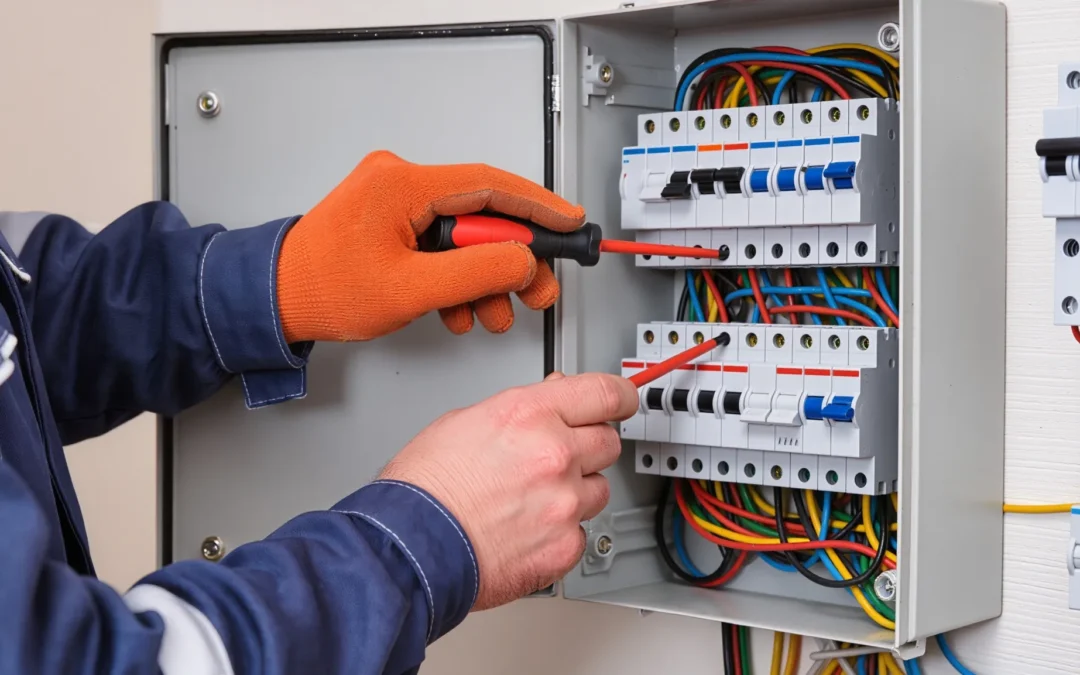
- Electrical panel capacity is insufficient for new equipment.
- Framing or room layouts change during construction.
- New circuits or electrical equipment are added.
- Electrical plans are revised after rough-in begins.
Not every field adjustment requires the same response. Some minor changes can be addressed within the existing scope, while others involve additional labor, materials, equipment, or scheduling considerations.
The key is establishing clear expectations and communicating when a proposed adjustment affects the original agreement.
Why Too Many Change Orders Create Problems for General Contractors
Change orders are a normal part of construction, but frequent or poorly managed changes can make projects harder to control.
Unexpected Costs Affect Project Budgets
General contractors rely on subcontractor estimates to develop accurate project budgets.
When additional charges repeatedly appear during construction, GCs may have to revise budgets, explain unexpected costs to homeowners, or absorb expenses that weren’t anticipated.
A detailed electrical estimate helps reduce uncertainty by defining the work before construction begins.
Changes Can Disrupt Construction Schedules
Electrical work is closely connected to framing, HVAC, plumbing, insulation, drywall, and finish work. A late electrical change may require completed work to be modified or delay another trade.
For example, relocating several recessed lights after rough-in may involve more than moving fixtures. Wiring may need to be rerouted, other trades may be affected, and additional inspection considerations may arise.
Frequent Changes Can Strain Client Relationships
Homeowners expect their general contractor to understand the project and communicate costs clearly. When additional charges appear unexpectedly, even legitimate changes can create frustration.
Working with an electrical subcontractor who identifies potential issues early helps GCs provide homeowners with clearer expectations throughout construction.
How Early Electrical Planning Helps Reduce Change Orders
One of the most effective ways to reduce electrical change orders is to involve the electrical subcontractor before rough-in begins.
For substantial Denver home remodels, early planning allows electricians to review the proposed layout, identify potential conflicts, and evaluate the existing electrical system.
Important planning considerations include:
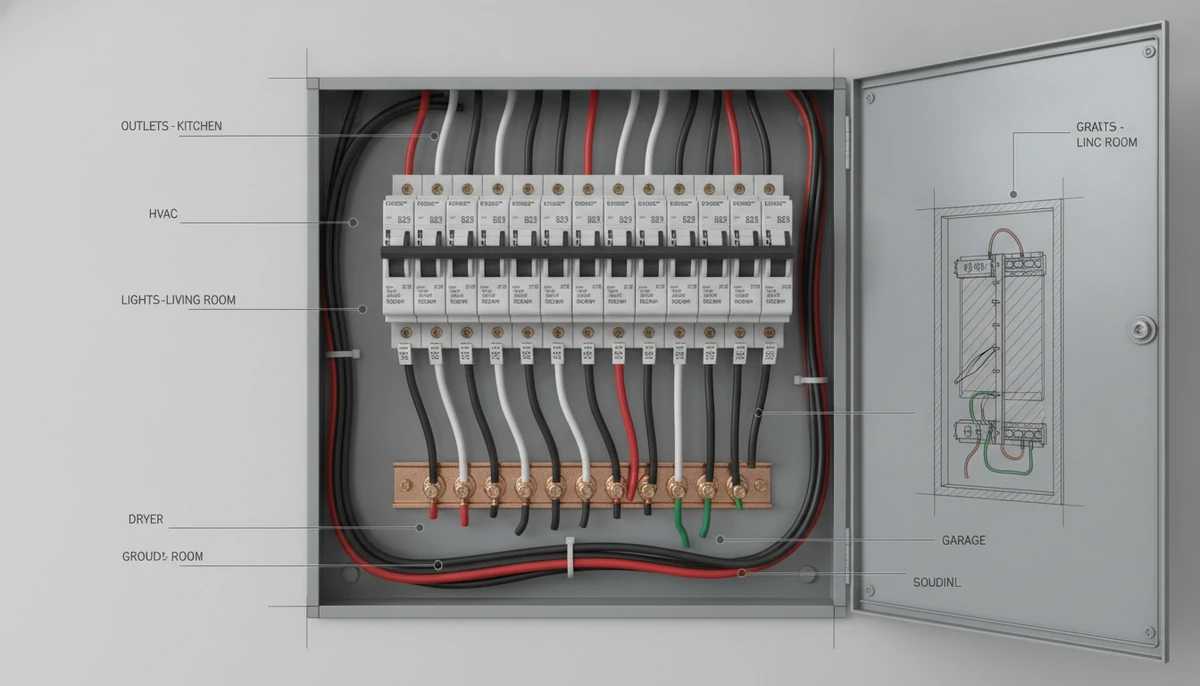
- Electrical panel capacity
- New appliance requirements
- Lighting and switching locations
- Dedicated circuits
- Kitchen and bathroom layouts
- HVAC electrical requirements
- Existing wiring conditions
- Future electrical needs
Consider a kitchen remodel where the homeowner plans to replace a gas range with an induction model. If that decision is communicated before electrical rough-in, the electrician can evaluate circuit requirements and panel capacity during the initial planning process.
If the decision comes after wiring is installed, additional work may be necessary. Early coordination doesn’t eliminate every change order, but it helps prevent avoidable surprises.
Table Mountain Electric’s Approach to Small Scope Changes
Not every adjustment during construction needs to become a complicated process.
At Table Mountain Electric, we recognize that residential remodeling requires flexibility. Small field adjustments are sometimes necessary as construction progresses, particularly when electricians are coordinating with framers, plumbers, HVAC contractors, and other trades.
Our approach is to evaluate the change, understand its impact, and communicate with the general contractor before proceeding when additional scope is involved.
Distinguishing Minor Adjustments From Additional Work
Some changes may be relatively straightforward and manageable within the existing project scope.
For example, a small adjustment to an electrical box location before wiring is completed may be easier to accommodate than relocating several finished circuits after rough-in.
However, even seemingly minor changes can involve additional materials, labor, or coordination.
We evaluate these situations individually rather than treating every request as automatically included or automatically requiring a major change order.
Communicating Before Costs Become Surprises
When a requested change affects the agreed electrical scope, our goal is to communicate that impact clearly.
This gives the GC an opportunity to review the change, discuss any additional costs or scheduling implications, and obtain homeowner approval when necessary.
Small changes are not automatically free, and the original agreement determines what is included. Our priority is to handle adjustments reasonably, communicate expectations, and avoid unnecessary surprises.
Keeping the Project Moving
Construction schedules rarely leave much room for confusion.
When a minor electrical adjustment arises, we aim to identify a practical solution that works with the construction sequence.
That might involve coordinating a revised outlet location before drywall, reviewing a lighting change with the project manager, or identifying how a new appliance affects circuit requirements.
The objective is to resolve manageable issues efficiently while maintaining electrical safety, workmanship, and appropriate scope documentation.
Why Clear Electrical Estimates Matter
A well-defined estimate is one of the best tools for reducing disputes over change orders.
General contractors should look for an electrical subcontractor who reviews the available plans and identifies the major components of the proposed electrical work.
Depending on the project, an electrical estimate may address:
- Electrical rough-in
- Service panel modifications
- Dedicated appliance circuits
- Lighting installation
- Switches and receptacles
- Electrical service upgrades
- Final trim and fixture installation
- Permit responsibilities
- Known exclusions or assumptions
Clear estimates help distinguish work that was included from requests that arise later.
For projects involving extensive renovations or electrical panel upgrades, understanding the existing system before construction begins is particularly important.
When an Electrical Change Order Is Necessary
Reducing unnecessary change orders doesn’t mean avoiding legitimate ones.
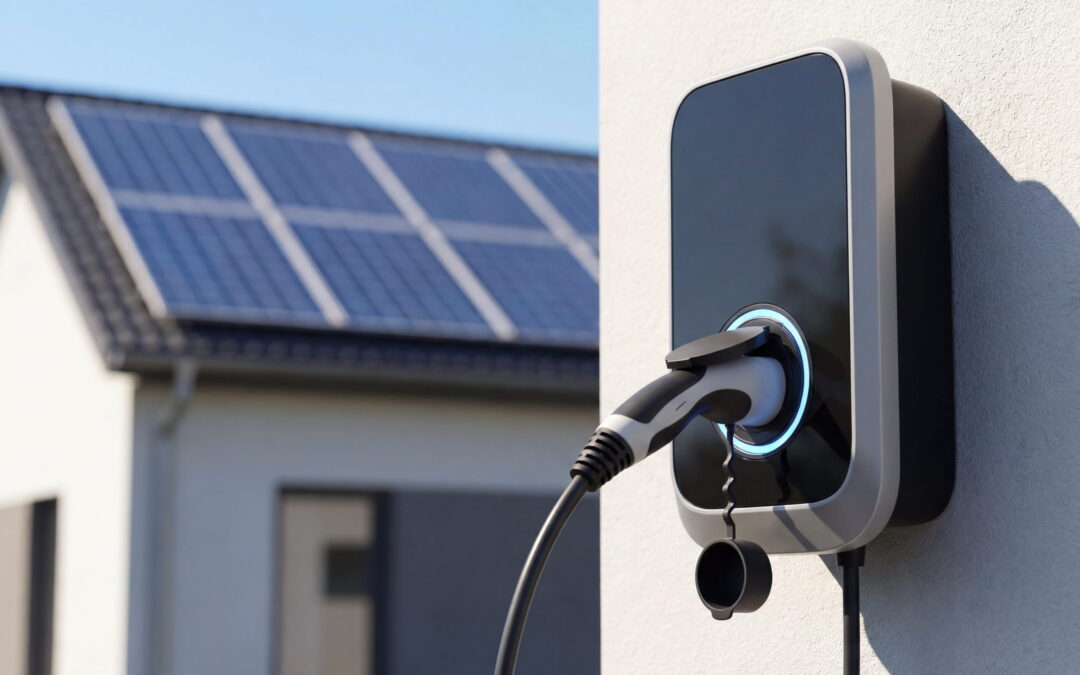
Some changes substantially affect the original electrical scope and should be formally documented. Examples include adding a Level 2 EV charger, upgrading electrical service from 100 amps to 200 amps, installing additional dedicated circuits, or redesigning a lighting layout after rough-in.
Unexpected conditions may also require additional work. During demolition, electricians may discover damaged wiring, improper previous installations, or other electrical issues that weren’t visible during the initial assessment.
These situations can affect materials, labor, permitting, inspections, and the construction schedule. A dependable electrical subcontractor should explain the issue and help the GC understand the available options rather than proceeding with substantial unapproved work.
How General Contractors Can Minimize Electrical Change Orders
GCs also play an important role in keeping electrical scope changes under control. Before construction begins, make sure the electrical subcontractor has current plans, appliance specifications, lighting layouts, and relevant equipment information. During construction, establish a clear process for communicating revisions.
A few practical habits can make a significant difference:
- Finalize major selections early. Confirm appliances, lighting, and equipment before rough-in whenever possible.
- Share updated drawings promptly. Make sure the electrical team is working from the current plans.
- Coordinate trades before installation. Identify potential conflicts between electrical, plumbing, HVAC, and framing.
- Document scope changes. Confirm when revisions affect pricing, materials, or scheduling.
- Involve the electrician in major decisions. Changes involving electrical loads or panel capacity should be evaluated before approval.
These practices help the GC and electrical subcontractor work from the same expectations.
Choose an Electrical Subcontractor Who Thinks Like a Project Partner
For general contractors, the best electrical subcontractor isn’t necessarily the one with the lowest initial bid. It’s the one who understands the construction process, communicates clearly, and helps prevent avoidable complications.
An experienced electrical partner recognizes that electrical work affects other trades and that poorly timed changes can disrupt the entire project.
Table Mountain Electric provides residential electrical subcontracting services for general contractors, builders, and remodelers throughout Denver, Lakewood, Littleton, Golden, Arvada, and surrounding communities.
We support basement remodels, home additions, pop-tops, new construction, whole-home rewiring, and complete down-to-the-studs renovations. Our focus is on understanding the electrical scope early, coordinating throughout construction, and handling changes with clear communication and practical recommendations.
Partner With Table Mountain Electric for Your Next Denver Remodel
Fewer unnecessary change orders can mean more predictable budgets, smoother scheduling, and better communication between contractors and homeowners.
Although no electrical subcontractor can eliminate every unexpected condition or guarantee that changes will never involve additional costs, a thoughtful approach to estimating, planning, and scope management can make a meaningful difference.
At Table Mountain Electric, we understand that general contractors need an electrical partner who respects the project budget, communicates when conditions change, and works toward solutions that keep construction moving.
Looking for an electrical subcontractor in Denver? Send us your plans, project location, scope, and anticipated schedule. Our team can review your electrical requirements and discuss how we can support your next residential construction or remodeling project. Request a project estimate today.

Table Mountain Electric
Table Mountain Electric Inc. is Denver’s trusted name in premier electrical solutions. From essential services such as electrical panel upgrades and panel replacements to intricate kitchen wiring for your renovation needs, our expertise shines through in every project.